Home /Conditions /Degenerative Disc Disease
Spine Condition

Degenerative Disc Disease Treatment

Advanced treatment for degenerative disc disease in the neck and lower back. Dr. Hobbs offers minimally invasive, navigation-guided treatment for degenerative disc disease to relieve pain and get you back to your active life.

Call (219) 250-5010
Medically reviewed by Jonathan G. Hobbs, M.D. · Updated June 2026

What Is Degenerative Disc Disease?

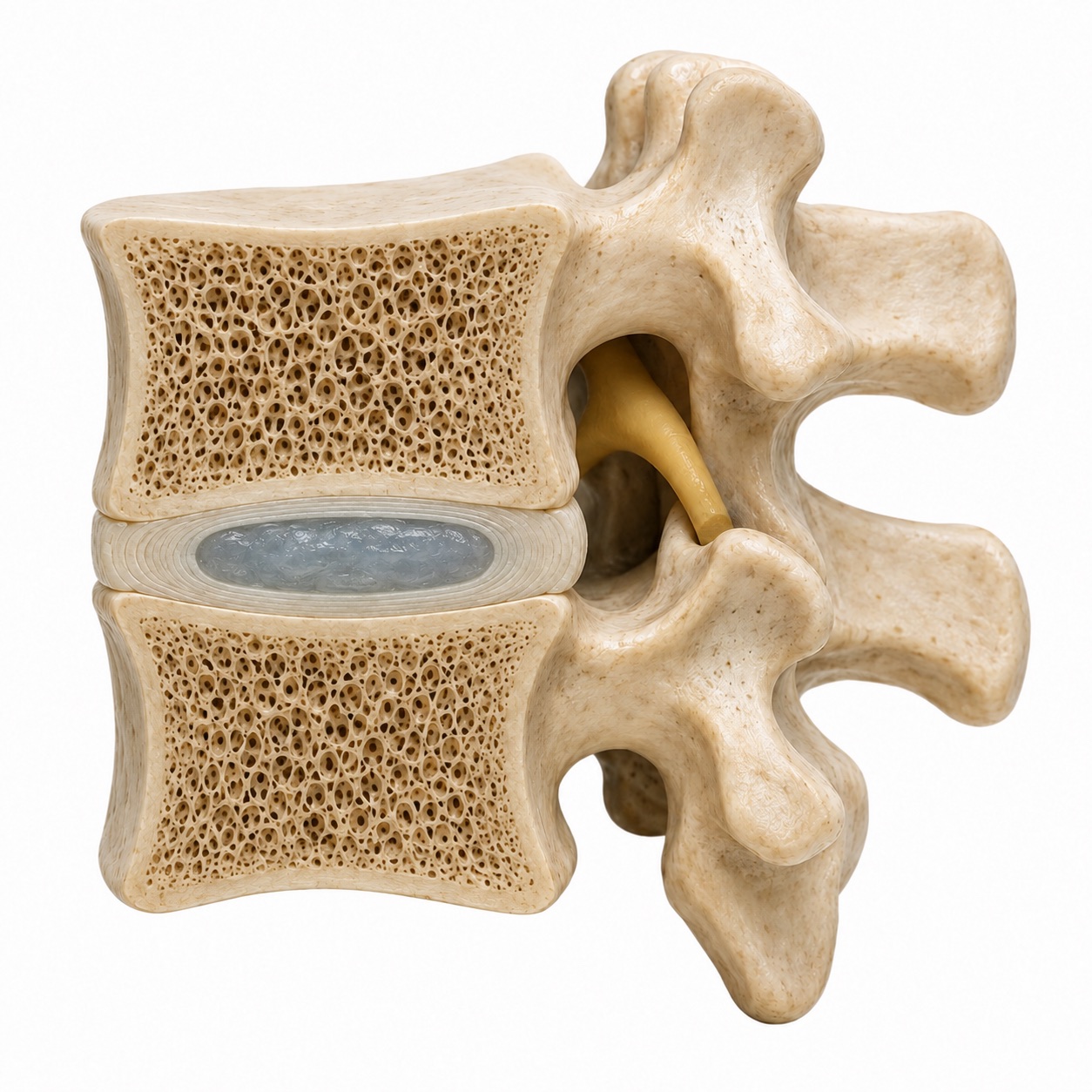
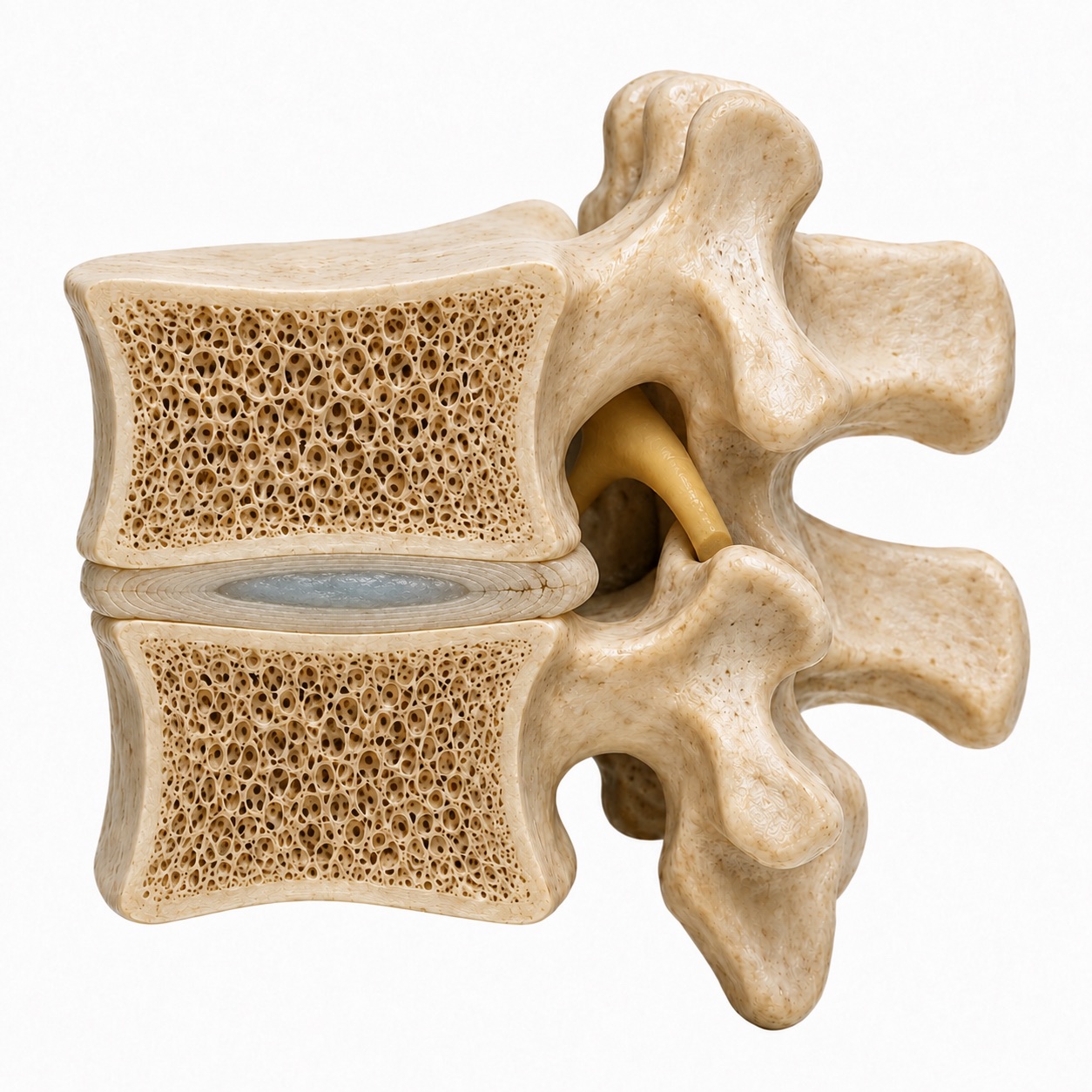
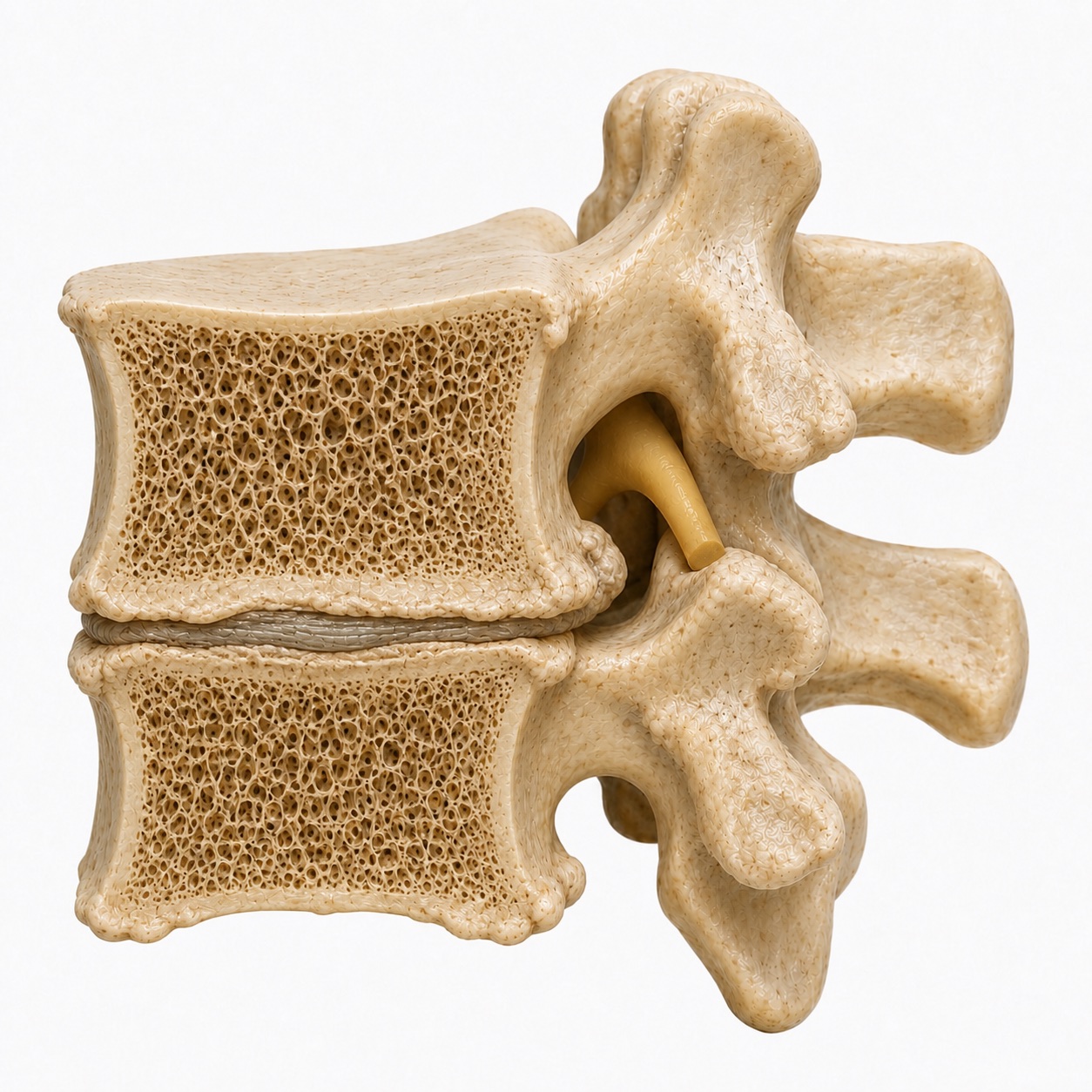
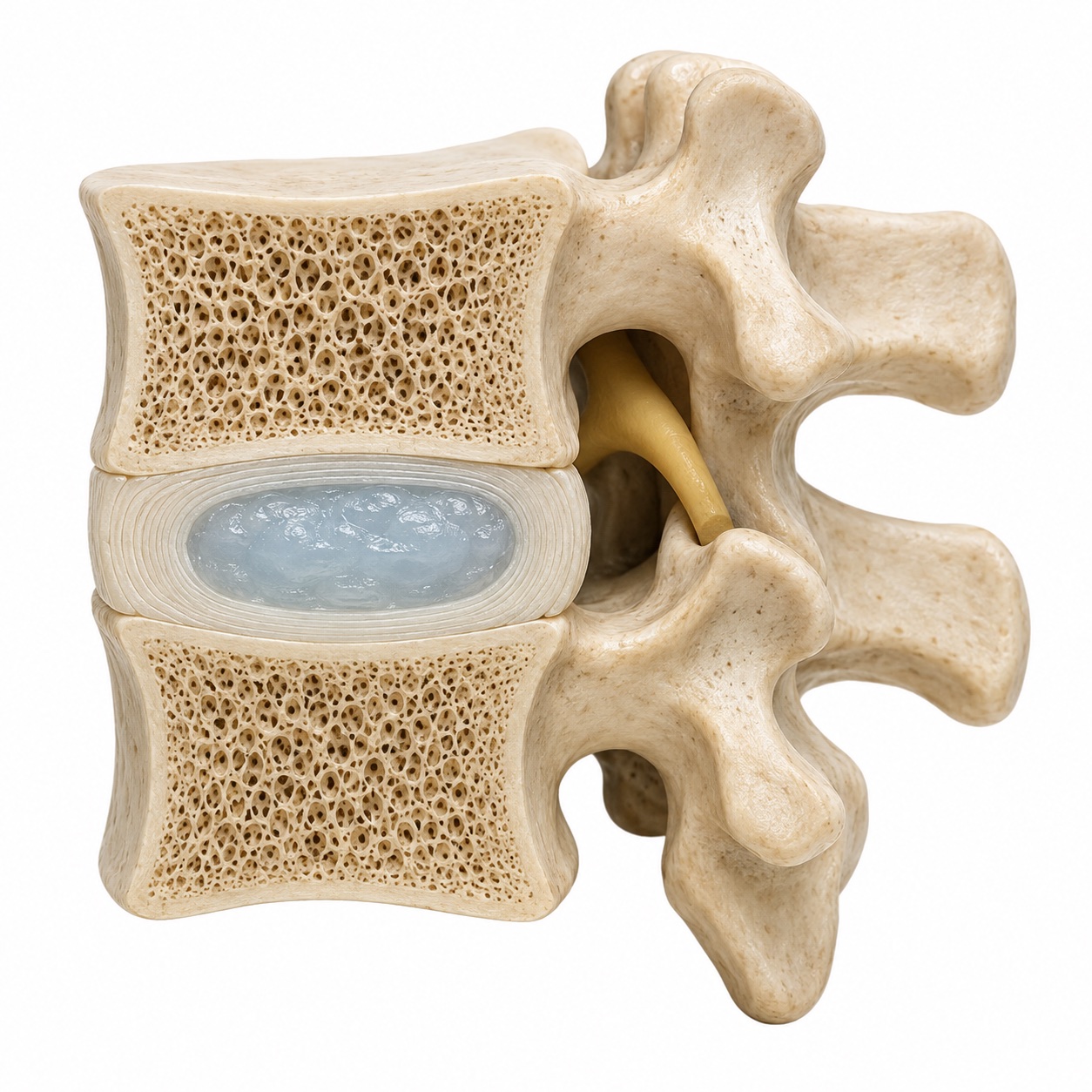
Degenerative disc disease (DDD) is a condition in which the spinal discs — the soft, compressible cushions between the vertebrae — gradually break down due to age-related wear and tear. Despite its name, DDD is not actually a disease but rather a natural process of disc aging that can cause pain in some people.

Spinal discs act as shock absorbers and allow flexibility in the spine. Over time, they lose water content, become thinner, and develop small tears in the outer wall. These changes can lead to chronic pain, stiffness, and reduced mobility. DDD can occur anywhere in the spine but most commonly affects the lumbar spine (lower back) and the cervical spine (neck).

While virtually everyone experiences some disc degeneration as they age, not everyone develops symptoms. When DDD does cause pain, effective treatments are available — from conservative therapies to advanced minimally invasive surgical solutions.

Symptoms of Degenerative Disc Disease

  • Chronic, low-grade back or neck pain with occasional flare-ups of more severe pain
  • Pain that worsens with sitting, bending, lifting, or twisting
  • Pain that improves with walking, changing positions, or lying down
  • Stiffness in the back or neck, especially in the morning
  • Radiating pain, numbness, or tingling in the arms or legs (if nerves are compressed)
  • Periods of severe pain lasting days to months, then subsiding
  • Reduced range of motion in the spine

Causes and Risk Factors

Treatment Options

Dr. Hobbs always explores nonsurgical treatments first. Many patients with DDD achieve excellent pain relief without surgery.

Conservative Treatment

  • Physical therapy — Core strengthening, flexibility exercises, and postural training to support the spine and reduce pain
  • Anti-inflammatory medications — NSAIDs and other medications to manage pain and inflammation
  • Epidural steroid injections — Targeted injections to reduce inflammation around compressed nerves
  • Lifestyle modifications — Weight management, smoking cessation, ergonomic adjustments, and regular low-impact exercise

Surgical Treatment

  • Minimally invasive fusion — When surgery is needed, Dr. Hobbs uses minimally invasive, navigation-guided fusion to stabilize the affected level and relieve pain, often with AI-assisted planning to tailor the procedure to your anatomy.
  • Minimally invasive spinal fusion — When fusion is necessary, Dr. Hobbs uses the latest minimally invasive techniques to stabilize the spine with smaller incisions and faster recovery.

Why Choose Dr. Hobbs

Minimally Invasive Surgery
Navigation-guided, minimally invasive treatment tailored to your spine
Specialty-Trained Neurosurgeon
Board-certified neurosurgeon with specialized DDD treatment
Elite Training
University of Kentucky medical degree; University of Chicago neurosurgery residency
Conservative-First
Nonsurgical solutions always explored before recommending surgery

Frequently Asked Questions About DDD

Despite its name, degenerative disc disease is not technically a disease. It is a natural, age-related process where the spinal discs gradually lose hydration, height, and flexibility. While virtually everyone experiences some degree of disc degeneration as they age, not everyone develops pain from it. The term "disease" is somewhat misleading — it is more accurately described as a condition of wear and tear.
DDD cannot be reversed, as the natural aging process of the discs cannot be undone. However, the symptoms can be very effectively managed and treated. Many patients achieve excellent pain relief through conservative treatments. When surgery is needed, Dr. Hobbs offers minimally invasive, navigation-guided decompression and fusion, tailored to each patient with AI-assisted planning.
When conservative care does not relieve symptoms, Dr. Hobbs treats degenerative disc disease with minimally invasive, navigation-guided surgery. Depending on the case this may include decompression to relieve nerve pressure and minimally invasive fusion to stabilize the affected level, with AI-assisted planning tailored to each patient.
Pain can arise from several sources: the degenerated disc itself can generate pain through micro-motion and inflammation, collapsed disc height causes facet joints to bear more load leading to arthritis, bone spurs can compress nerves, and reduced disc height can narrow the openings where nerves exit the spine. Dr. Hobbs performs a thorough evaluation to identify the specific source and target treatment accordingly.
Not everyone with degenerative disc disease needs a fusion. Many patients improve with conservative care or a minimally invasive decompression. When the affected level is unstable or a source of ongoing pain, a minimally invasive fusion may be recommended. Dr. Hobbs evaluates each patient individually and recommends the option that will provide the best long-term outcome.

Interactive: Understand Your MRI

Click through an annotated lumbar MRI to see the discs, nerves, and ligaments — and how they change with degeneration.

Explore the MRI

Get Treatment for Degenerative Disc Disease

Dr. Hobbs offers the latest minimally invasive treatments and conservative care. Call today for your consultation.

(219) 250-5010

Monday – Friday · 8:00 AM – 5:00 PM

Crown Point Office

500 E. 109th Avenue
Crown Point, IN 46307

Chesterton Office

601 Gateway Boulevard
Chesterton, IN 46304