Home / Conditions / Spondylolisthesis
Spine Condition

Spondylolisthesis Treatment

Expert diagnosis and treatment for spondylolisthesis in Northwest Indiana. Dr. Hobbs offers both conservative care and minimally invasive surgical options to stabilize your spine, relieve pain, and restore your quality of life.

Call (219) 250-5010
Medically reviewed by Jonathan G. Hobbs, M.D. · Updated June 2026

What Is Spondylolisthesis?

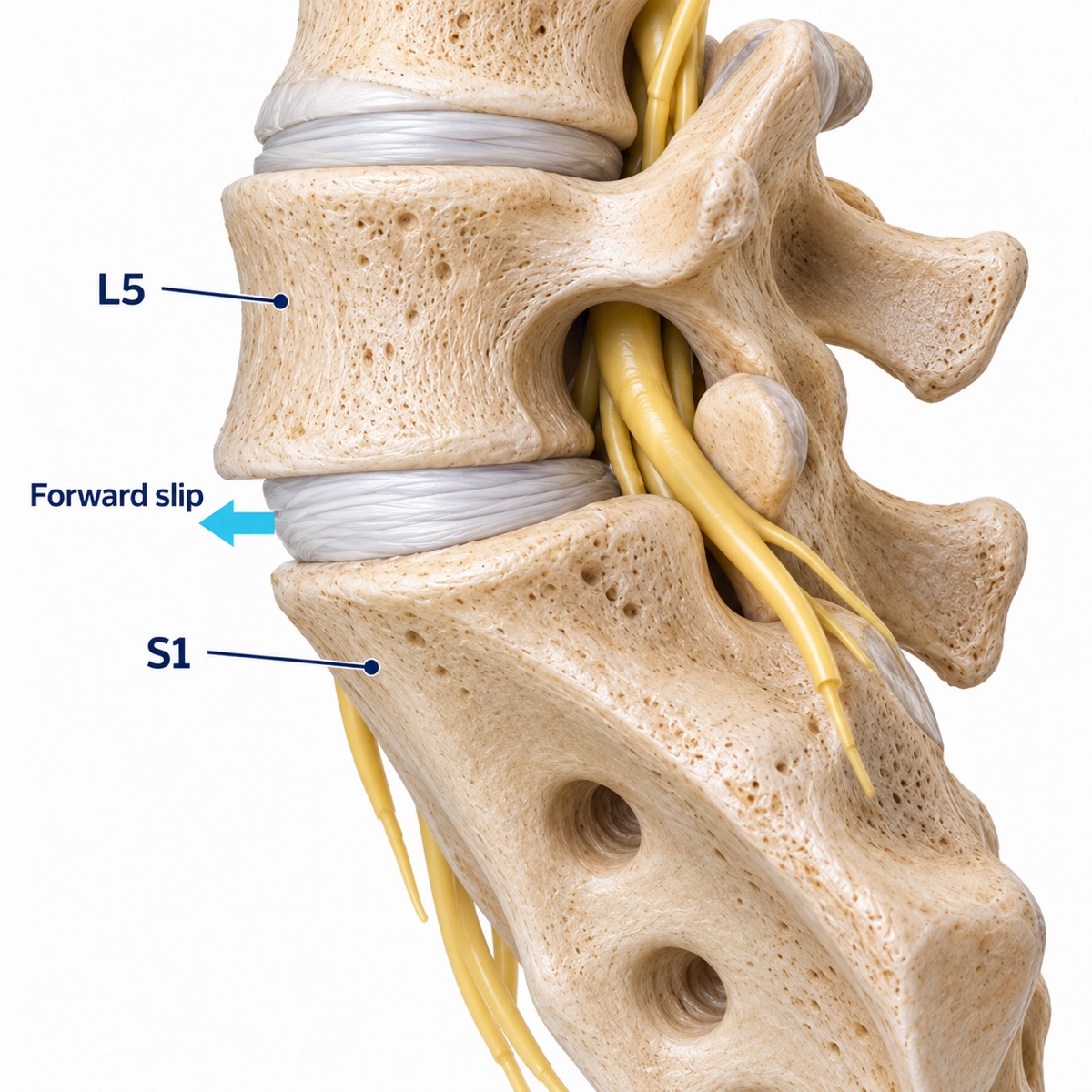
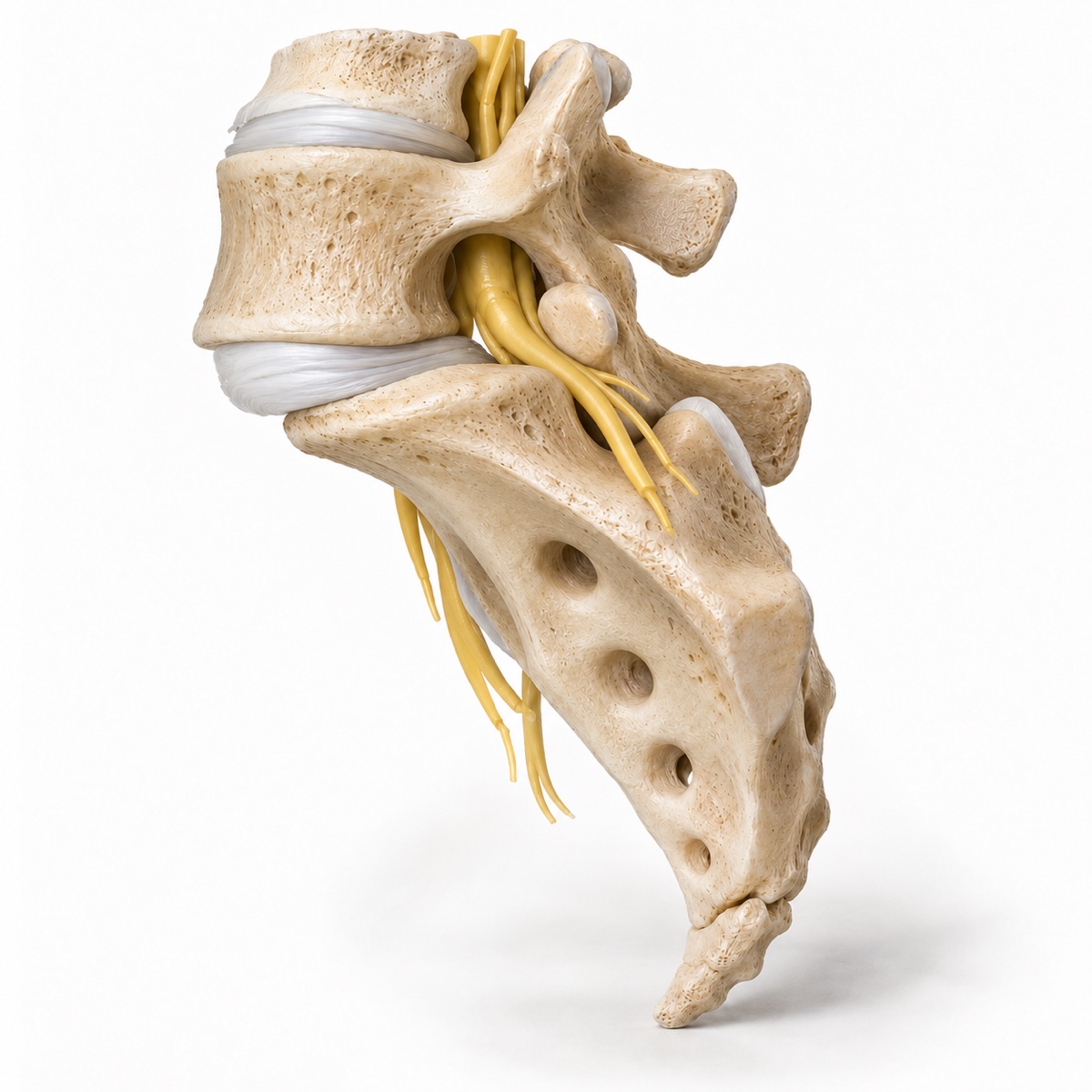
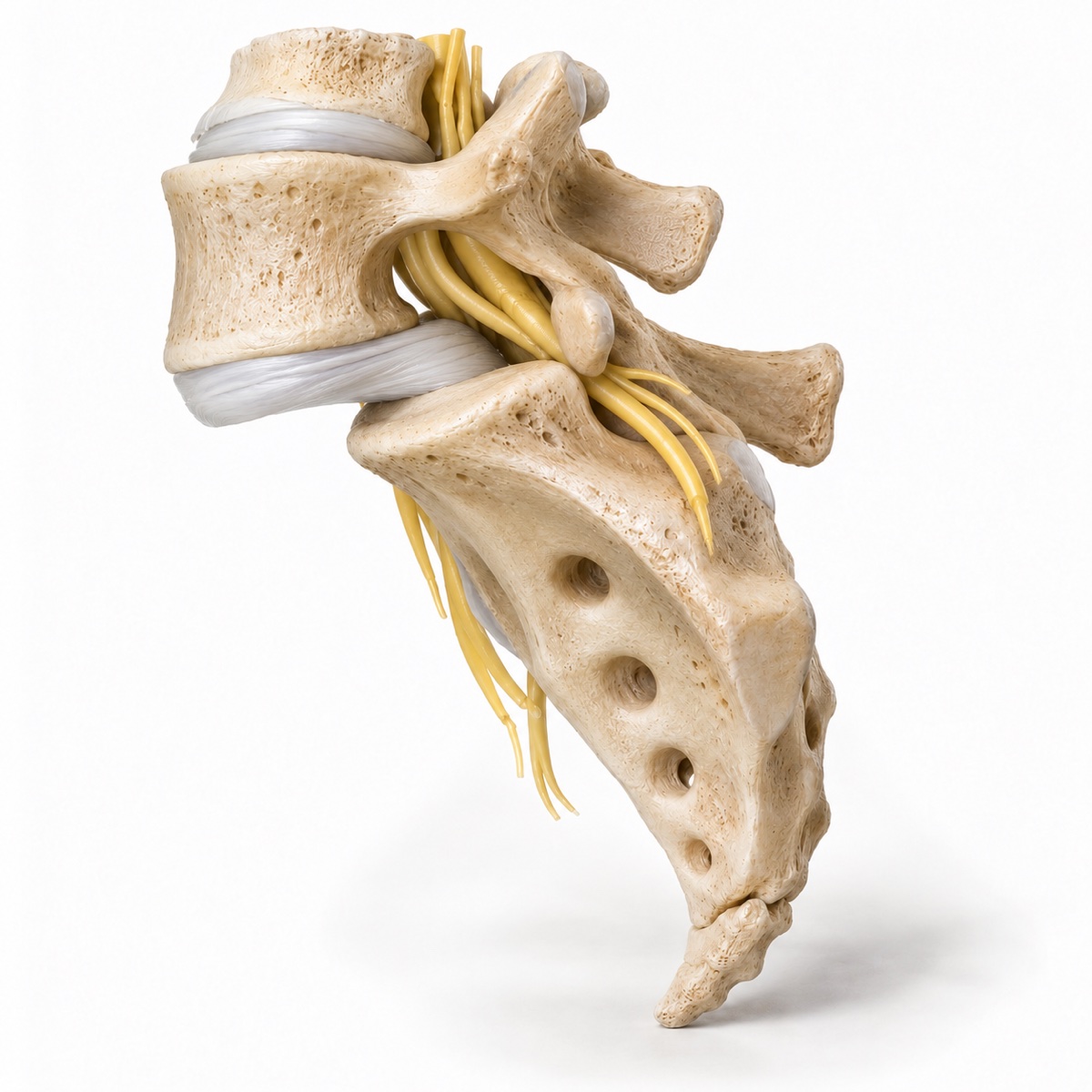
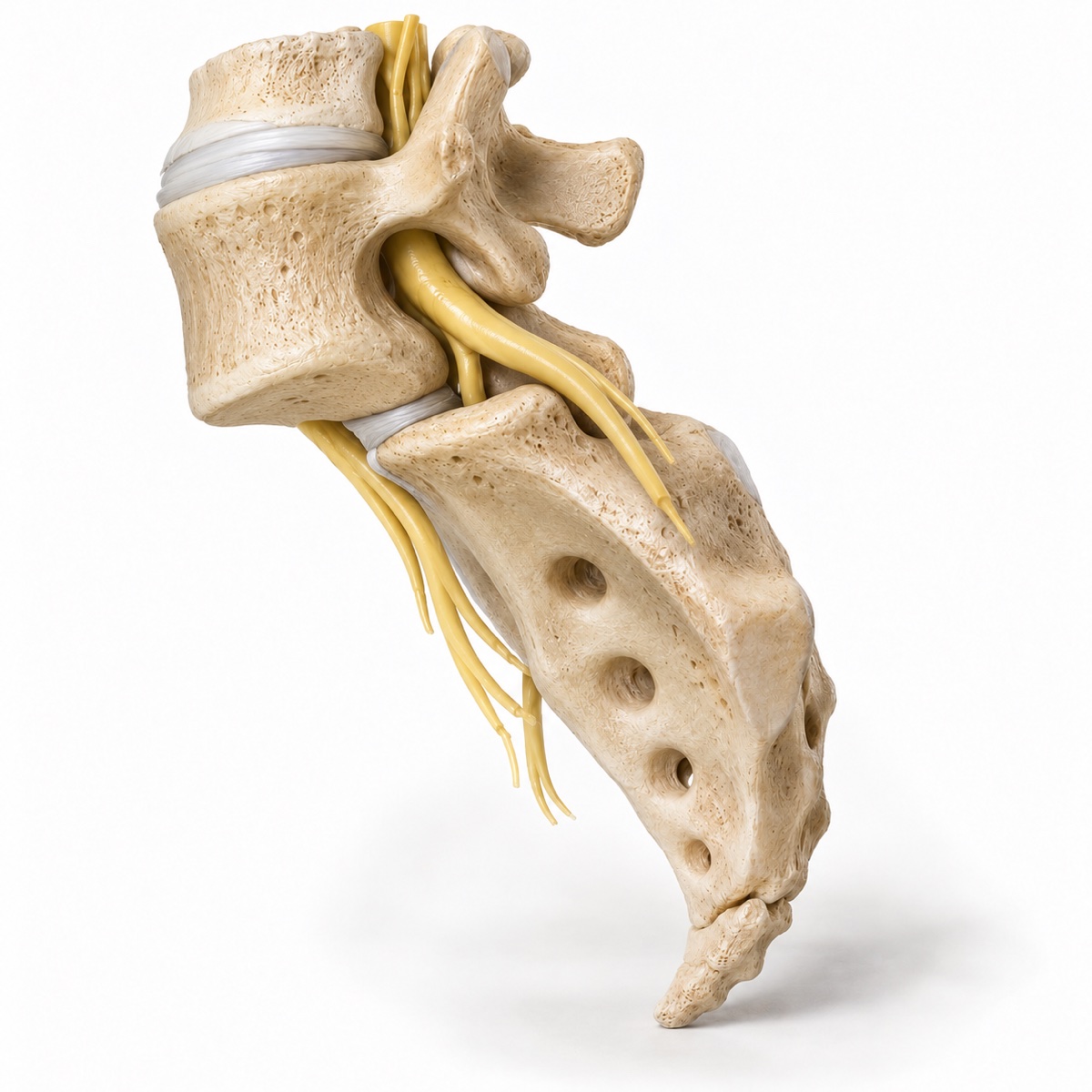
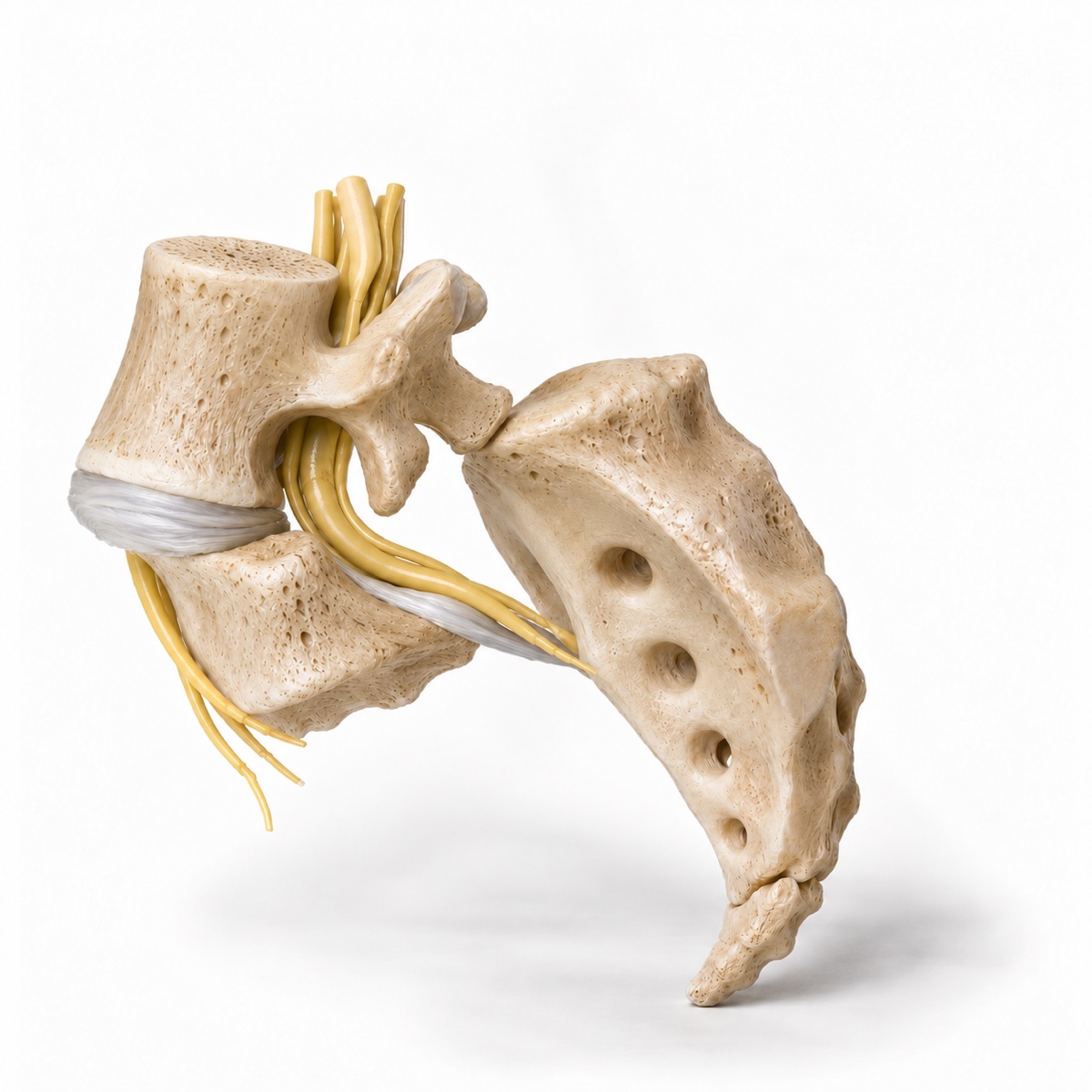
Spondylolisthesis is a spinal condition in which one vertebra slips forward over the vertebra directly below it. This slippage can narrow the spinal canal or compress the spinal nerves exiting at that level, leading to back pain, leg pain, and other neurological symptoms. The condition most commonly affects the lower lumbar spine, particularly the L4-L5 and L5-S1 levels.

Spondylolisthesis is classified by grades (I through V) based on the percentage of slippage. Grade I represents up to 25% slippage, Grade II is 26-50%, Grade III is 51-75%, Grade IV is 76-100%, and Grade V (called spondyloptosis) means the vertebra has completely fallen off the one below it. Most cases seen in clinical practice are Grade I or II.

There are several types of spondylolisthesis, each with a different underlying cause:

Symptoms of Spondylolisthesis

Symptoms vary depending on the degree of slippage and whether spinal nerves are being compressed. Some people with mild spondylolisthesis have no symptoms at all, while others experience significant pain and functional limitations.

Back and Posture Symptoms

  • Lower back pain that worsens with activity and standing
  • Hamstring tightness or muscle spasms
  • Stiffness and reduced range of motion in the lower back
  • A feeling of instability in the spine
  • Changes in posture or gait (waddling walk in severe cases)

Nerve-Related Symptoms

  • Pain radiating down one or both legs (similar to sciatica)
  • Numbness or tingling in the legs or feet
  • Weakness in the legs or feet
  • Difficulty walking or standing for prolonged periods
  • Pain that improves when sitting or leaning forward

When to Seek Immediate Care

If you experience sudden loss of bladder or bowel control, rapidly progressive leg weakness, or numbness in the groin area, seek emergency medical attention immediately. These may be signs of cauda equina syndrome, a rare but serious condition that requires urgent surgical treatment.

Causes and Risk Factors

Spondylolisthesis can develop from a variety of causes depending on the type. In younger patients, it is most often related to stress fractures from repetitive hyperextension of the spine. In older adults, it typically results from degenerative changes in the spinal joints and discs.

Factors that increase your risk of developing spondylolisthesis include:

How Dr. Hobbs Diagnoses Spondylolisthesis

Dr. Hobbs begins with a thorough evaluation to accurately determine the type and severity of spondylolisthesis and develop an individualized treatment plan.

Physical examination: Assessing your posture, range of motion, gait, and neurological function. Dr. Hobbs will test your reflexes, muscle strength, and sensation in your legs. Hamstring tightness and pain with lumbar extension are common clinical findings.

X-rays with flexion/extension views: Standard X-rays confirm the presence and grade of the slip. Flexion and extension (bending forward and backward) views are particularly important because they reveal whether the slippage is stable or if the vertebra moves with changes in position, which is called dynamic instability.

MRI (Magnetic Resonance Imaging): Provides detailed images of the soft tissues including nerves, discs, and the spinal canal. MRI is essential for evaluating whether the slippage is causing nerve compression and helps guide treatment decisions.

CT scan: In some cases, a CT scan may be ordered to provide detailed images of the bony structures, particularly to evaluate the pars interarticularis for fractures or to assist with surgical planning.

Treatment Options for Spondylolisthesis

Dr. Hobbs strongly believes that nonsurgical solutions should be explored first before recommending surgery. Many patients with spondylolisthesis, particularly those with Grade I and Grade II slips, respond well to conservative treatment. Surgery is reserved for cases where conservative care has not provided adequate relief, the slip is progressing, or neurological symptoms are worsening.

Conservative (Nonsurgical) Treatment

  • Physical therapy — Targeted exercises to strengthen the core and paraspinal muscles, improve flexibility (especially hamstrings), and stabilize the spine to prevent further slippage
  • Activity modification — Avoiding activities that involve excessive hyperextension or high-impact loading of the spine while maintaining an active, healthy lifestyle
  • Bracing — A lumbar brace may be used temporarily to support the spine and limit motion, particularly in younger patients with acute pars fractures
  • Anti-inflammatory medications — NSAIDs and other medications to manage pain and reduce inflammation around the compressed nerves
  • Epidural steroid injections — Corticosteroid injections delivered to the area of nerve compression to provide targeted pain relief and reduce inflammation

Surgical Treatment

When surgery is necessary, Dr. Hobbs uses the latest minimally invasive techniques for faster recovery and less pain:

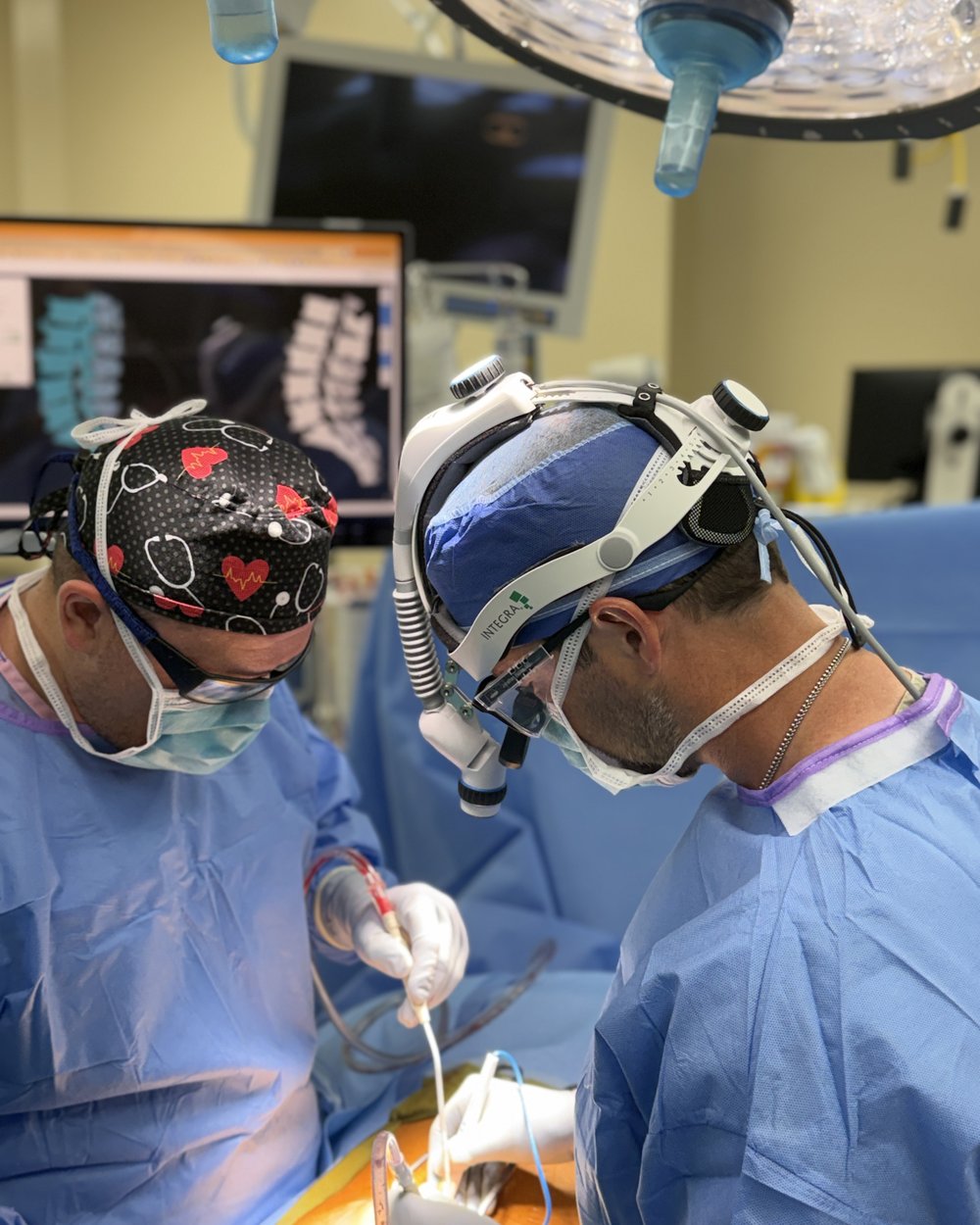
  • Minimally invasive spinal fusion (MISS) — The primary surgical treatment for spondylolisthesis. Through small incisions, Dr. Hobbs stabilizes the slipped vertebra using screws, rods, and bone graft material to fuse the unstable segment. Advanced minimally invasive techniques ensures precise placement of instrumentation with minimal tissue disruption.
  • Decompression — When compressed nerves are causing leg pain, numbness, or weakness, Dr. Hobbs removes the bone or tissue pressing on the nerves. This is often performed in conjunction with fusion to address both the instability and the nerve compression.
  • Reduction and stabilization — In higher-grade slips, Dr. Hobbs may partially or fully reduce (reposition) the slipped vertebra back toward its normal alignment before performing the fusion, improving spinal balance and taking pressure off the nerves.

Why Choose Dr. Hobbs for Spondylolisthesis Treatment

Specialty-Trained Neurosurgeon
Board-certified neurosurgeon with specialized expertise in treating complex spinal conditions including spondylolisthesis
Elite Training
University of Kentucky medical degree; neurosurgery residency at the University of Chicago, serving as chief resident
Tumor & Deformity Expertise
Specialty-trained in minimally invasive spine surgery
Conservative-First Approach
Dr. Hobbs always explores nonsurgical solutions before recommending surgery
Comprehensive Spine Care
Extensive experience with complex spine cases and revision surgeries for patients who have had prior unsuccessful procedures
Lakeshore Bone & Joint Institute
Northwest Indiana's most preferred orthopedic practice

Frequently Asked Questions About Spondylolisthesis

Spondylolisthesis is graded on a scale of I to V based on how far the vertebra has slipped forward. Grade I means the vertebra has slipped up to 25%, Grade II is 26-50%, Grade III is 51-75%, Grade IV is 76-100%, and Grade V (spondyloptosis) means the vertebra has completely fallen off the one below it. Most cases Dr. Hobbs treats are Grade I or II, which often respond well to conservative treatment. Higher-grade slips are more likely to require surgical stabilization.
Many patients with spondylolisthesis can continue participating in sports and physical activities, particularly with low-grade slips (Grade I or II) that are well managed. Dr. Hobbs works with each patient to develop an individualized activity plan. Some high-impact sports involving repeated hyperextension of the spine, such as gymnastics, football lineman positions, and weightlifting, may need to be modified. Physical therapy to strengthen core muscles can help stabilize the spine and support a return to activity.
No. The majority of spondylolisthesis cases, particularly Grade I and Grade II slips, can be effectively managed without surgery. Dr. Hobbs's conservative-first approach typically includes physical therapy, activity modification, bracing in some cases, and pain management with medications or injections. Surgery is reserved for patients who do not improve with conservative treatment, have progressive slippage, or experience significant neurological symptoms such as leg weakness or bowel and bladder dysfunction.
When surgery is necessary, Dr. Hobbs typically performs a minimally invasive spinal fusion to stabilize the affected vertebrae and prevent further slippage. This may be combined with a decompression procedure to relieve pressure on compressed nerves. Using advanced minimally invasive techniques, Dr. Hobbs performs these procedures through small incisions with less muscle damage, less blood loss, and faster recovery compared to traditional open surgery. Many patients are able to go home the same day or the following day.
With Dr. Hobbs's minimally invasive approach, patients typically return to light daily activities within 2-4 weeks. Most patients can return to desk work within 3-4 weeks and resume more physical activities within 8-12 weeks. Full fusion of the vertebrae takes approximately 3-6 months, during which time Dr. Hobbs monitors progress with follow-up visits and imaging. Physical therapy plays an important role in rehabilitation and regaining strength and flexibility.
No, these are different conditions. Spondylolisthesis involves one vertebra slipping forward over the vertebra below it, which is a problem with the bones of the spine. A herniated disc involves the soft cushioning material between vertebrae bulging or rupturing outward, which is a problem with the disc. However, both conditions can cause similar symptoms such as back pain and leg pain because both can compress spinal nerves. It is also possible to have both conditions at the same time. Dr. Hobbs uses imaging studies to accurately diagnose the source of your symptoms.

Interactive: Understand Your MRI

Click through an annotated lumbar MRI to see the vertebral bodies, discs, and nerves — and how a slipped vertebra affects them.

Explore the MRI

Get Expert Spondylolisthesis Treatment

Don't let spondylolisthesis keep you from living your life. Dr. Hobbs offers the latest minimally invasive treatments with proven results. Call today to schedule your consultation.

(219) 250-5010

Monday – Friday · 8:00 AM – 5:00 PM

Crown Point Office

500 E. 109th Avenue
Crown Point, IN 46307

Chesterton Office

601 Gateway Boulevard
Chesterton, IN 46304