



Herniated Discs & Sciatica
Radiating arm or leg pain, numbness, or weakness from a compressed nerve.
Academic spine surgery, close to home
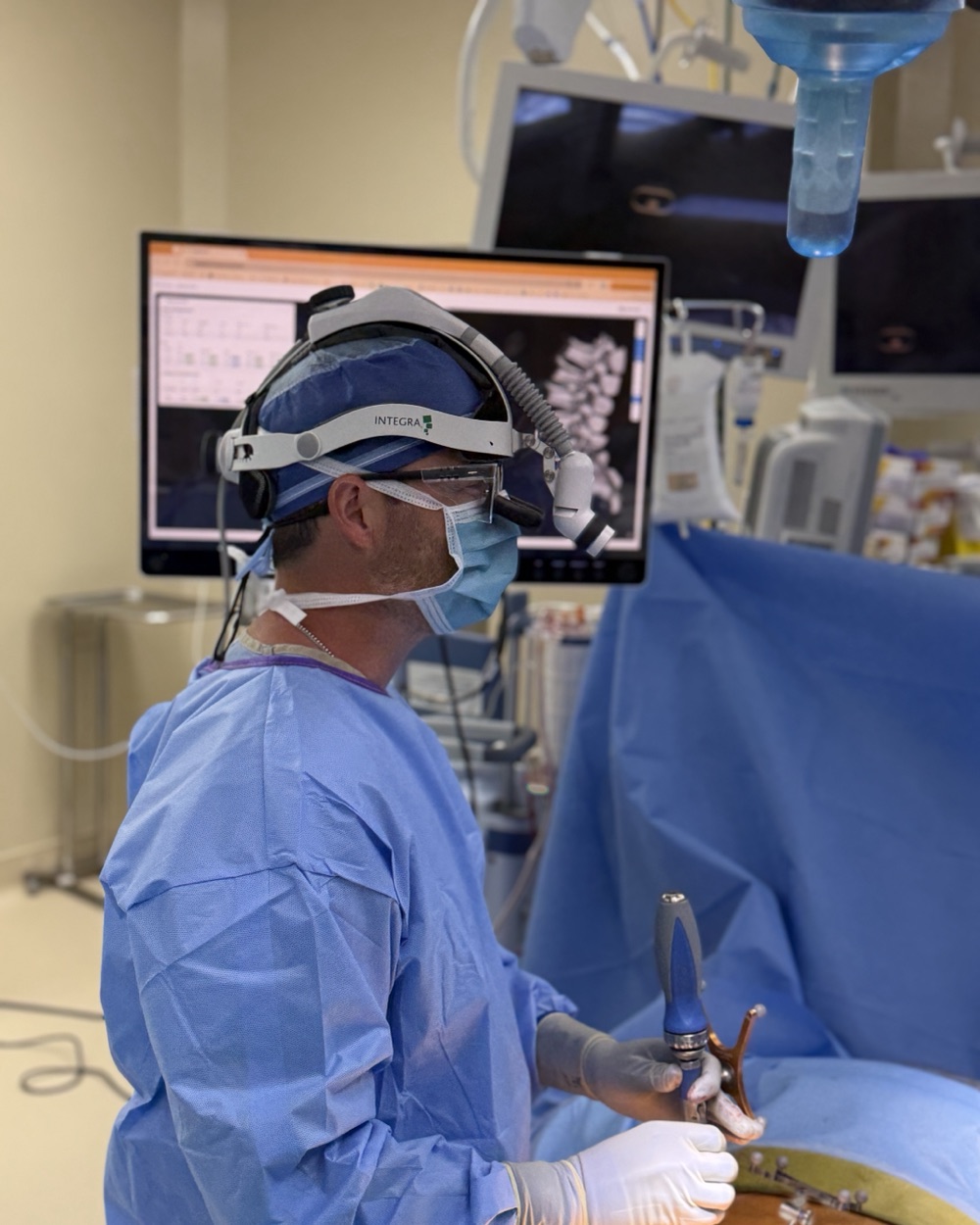
Dr. Hobbs combined Carlsmed aprevo® 3D-printed cages with Medtronic UNiD™ rods, both built from the patient’s own imaging before surgery, in a two-level fusion at Northwest Health Porter. Becker’s Spine Review covered the case on September 28, 2026.
 University of Kentucky
College of Medicine
University of Kentucky
College of Medicine University of Chicago
Neurosurgery residency, Chief Resident
University of Chicago
Neurosurgery residency, Chief Resident ABNS Board-Certified
American Board of
ABNS Board-Certified
American Board of Spine surgery practiceCrown Point & Chesterton
Patient Rating
Google reviews
Spine surgery practiceCrown Point & Chesterton
Patient Rating
Google reviews
Experience you can verify.Academic neurosurgical training. Local, specialized care.
He never rushes you. He takes the time to listen and figure out what is wrong.
 Google reviews, all 4 offices
Dr. Hobbs has a separate Google listing for each office where he sees patients, so no single listing shows the whole picture. Counted together on October 9, 2026, they total 328 reviews with an average rating of 4.9 out of 5. The Chesterton and Portage listings hold a perfect 5.0.
Counts as of ; updated periodically, with live totals on Google. Separately, 496 verified patient ratings on rater8 average 5.0. The Crown Point listing is also mirrored on Birdeye (170 reviews, 4.9), which repeats Google reviews and is not counted again here.
Very informational. He let me know everything about my case, including the steps and what to expect.
He is the best doctor I have ever met!
Dr. Hobbs is a wonderful doctor. He has taken great care of our grandson.
Dr. Hobbs and his staff are friendly, professional, and thorough.
Dr. Hobbs has excellent bedside manner — very supportive and helpful in explaining procedures.
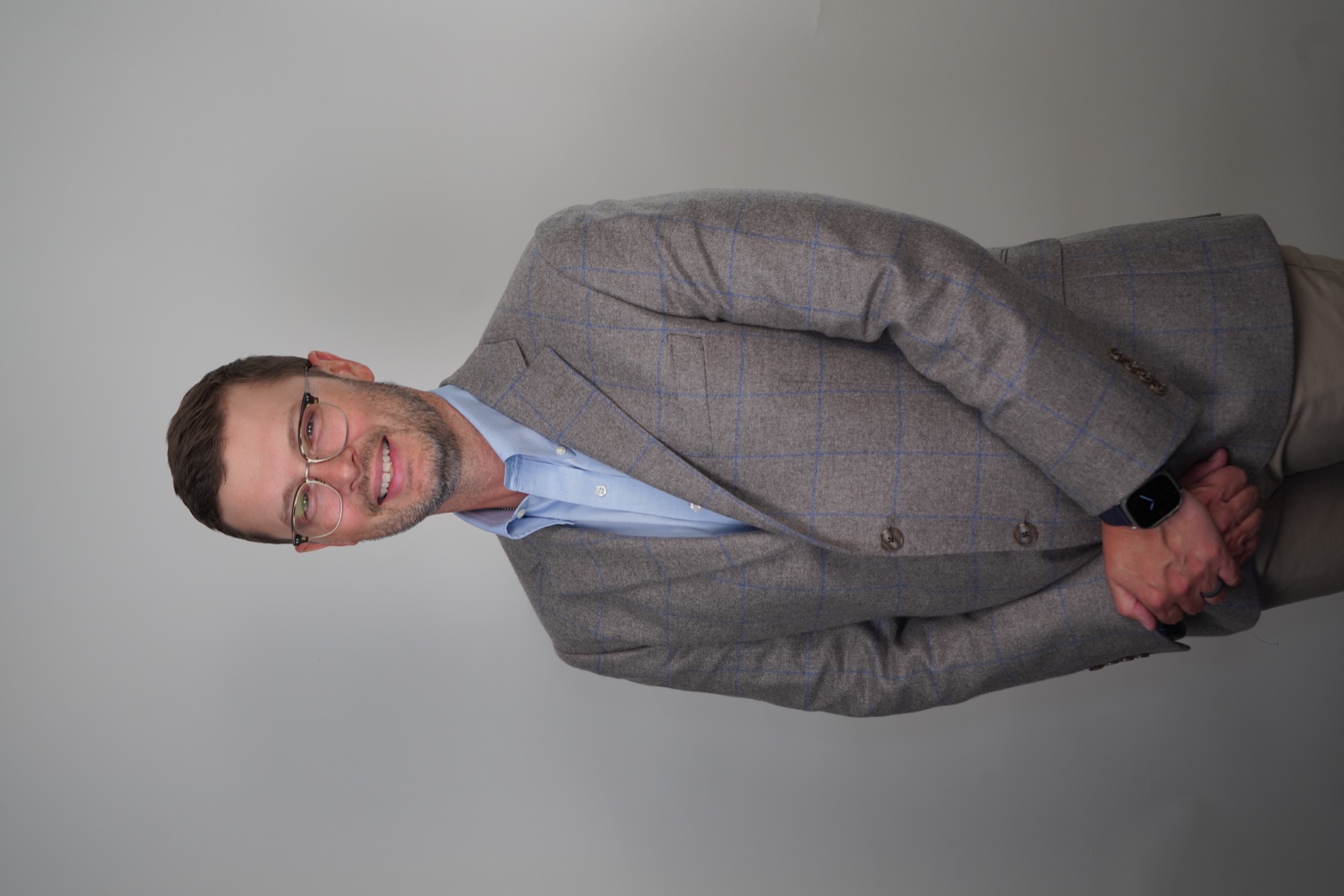
Jonathan G. Hobbs, M.D. is a board-certified neurosurgeon specializing in spine surgery, including spinal tumors and deformities. University of Chicago–trained and based at Lakeshore Bone & Joint Institute, he brings advanced care close to home in Northwest Indiana.

Two quick questions. This points you to reading, not a diagnosis.
Emergency signs skip this page: new bowel or bladder changes, numbness in the saddle area, or rapidly progressive weakness mean the emergency department — now.
Most patients arrive holding a report full of phrases like “foraminal narrowing” and “annular fissure” that no one has explained. These three guides do exactly that, finding by finding, in plain language. They are free, they work on your phone, and they need no appointment.
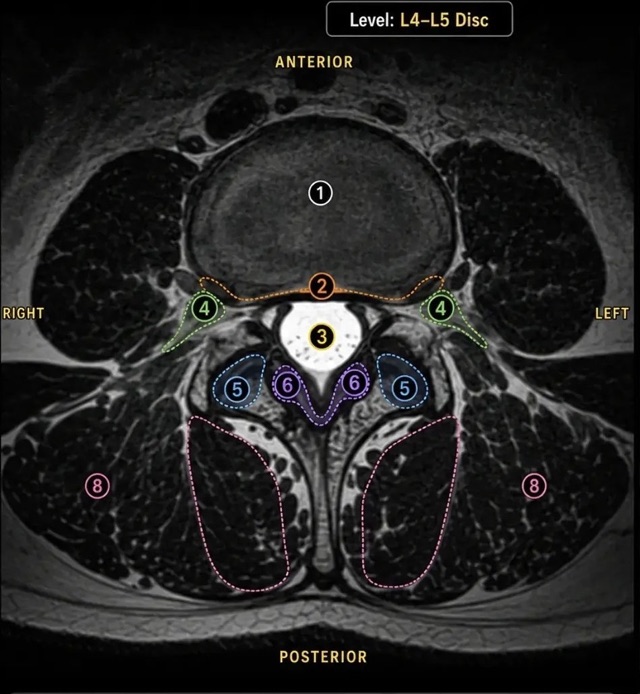 Axial MRI · L4–L5
Learn to read this view
The cross-section view that shows whether a disc is pressing on the canal or a nerve.
Axial MRI · L4–L5
Learn to read this view
The cross-section view that shows whether a disc is pressing on the canal or a nerve.
A realistic whole-spine report, decoded line by line from neck to tailbone, so the radiology language makes sense.
Open the guide Lower back · interactiveClick each labeled structure on a lumbar scan, discs, nerves, and facet joints, and learn what it means for your back and leg pain.
Open the guide Neck · interactiveThe spinal cord, discs, fluid, and joints on a neck MRI, explained as you click, including what matters for arm symptoms.
Open the guide Then, if you wantSend the imaging you already have. The office calls you back to say whether a visit makes sense. No appointment needed.
How it worksBack, neck, arm, and leg symptoms often overlap. Start with the pattern that sounds most familiar.
Not sure? Use the symptom guideHover a condition to see where it lives
Radiating arm or leg pain, numbness, or weakness from a compressed nerve.
Narrowing around the nerves that can make walking or standing difficult.
Pinched nerves or spinal cord pressure causing tingling, weakness, clumsy hands, or balance trouble.
Wear, stiffness, instability, or injury affecting the discs and vertebrae.
A vertebra that slips forward, sometimes causing back pain, nerve pressure, or instability.
Complex conditions affecting alignment, stability, imaging, and nerve function.
Imaging becomes a patient-specific plan and custom 3D-printed implants for alignment, deformity, and degenerative spine surgery.
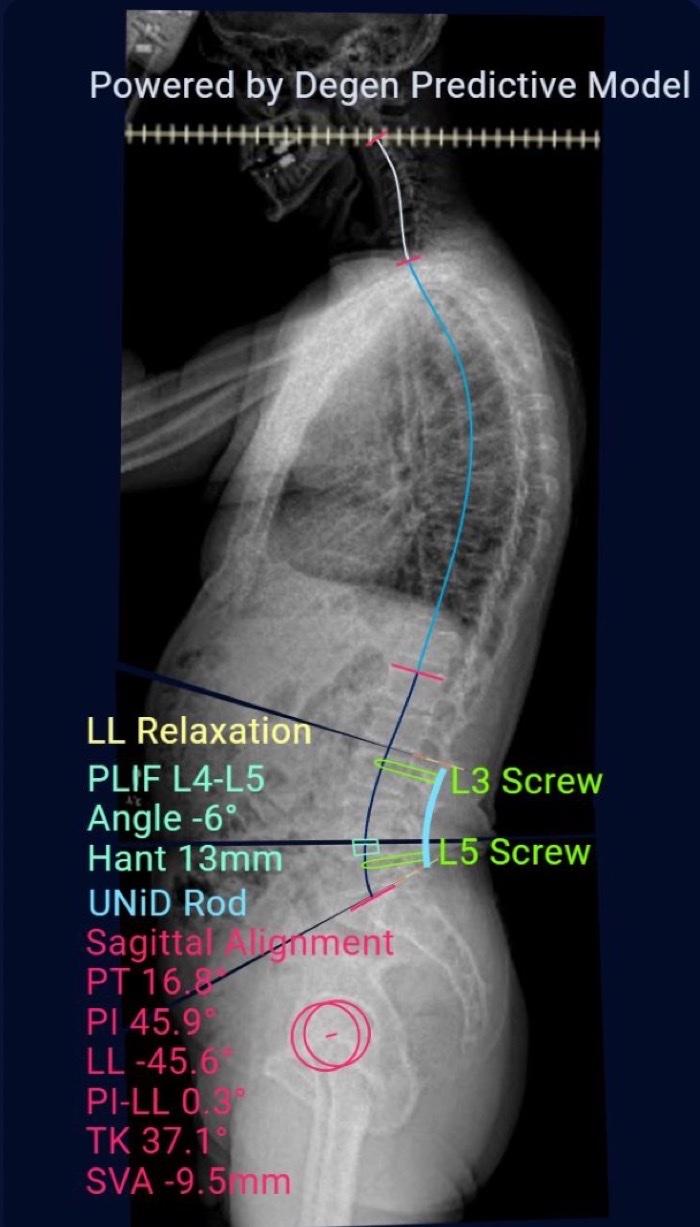
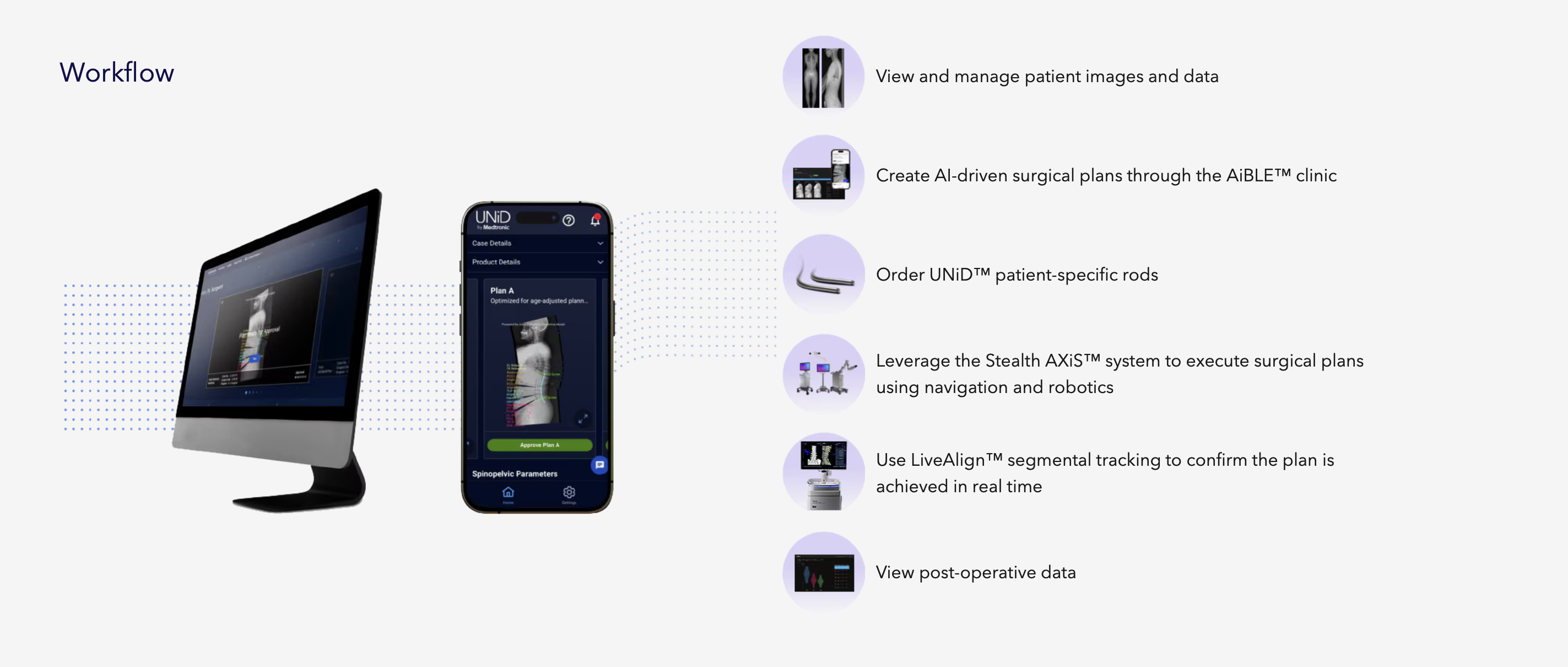
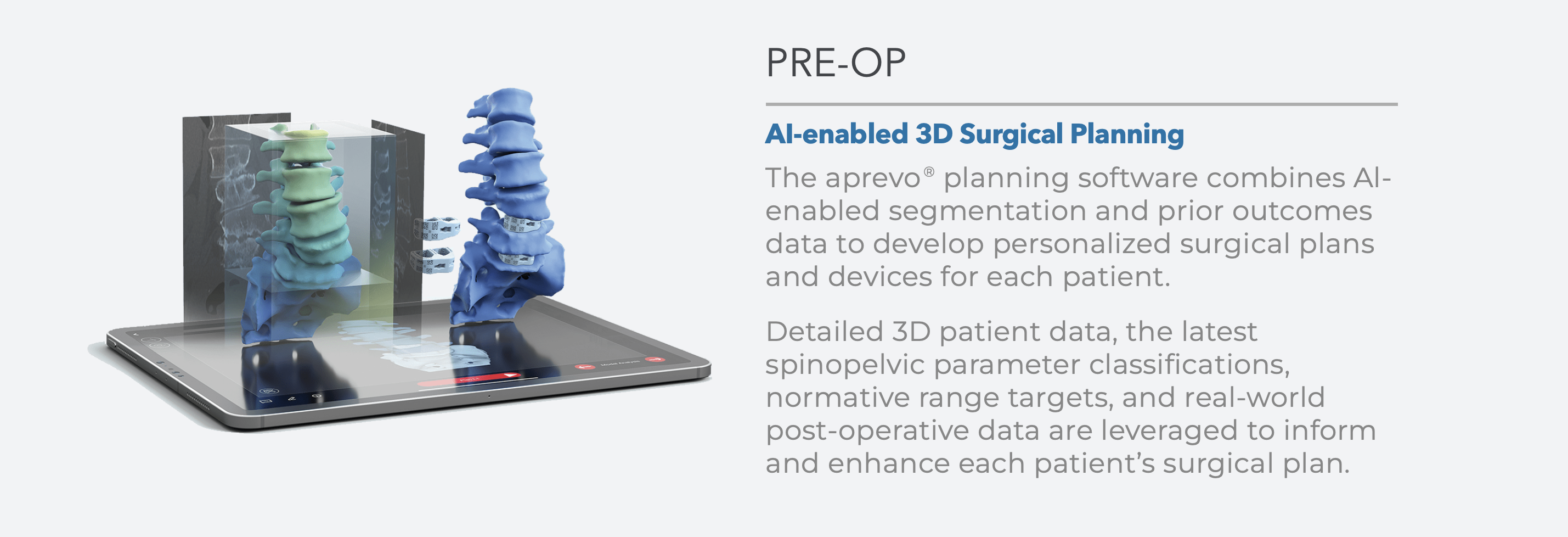
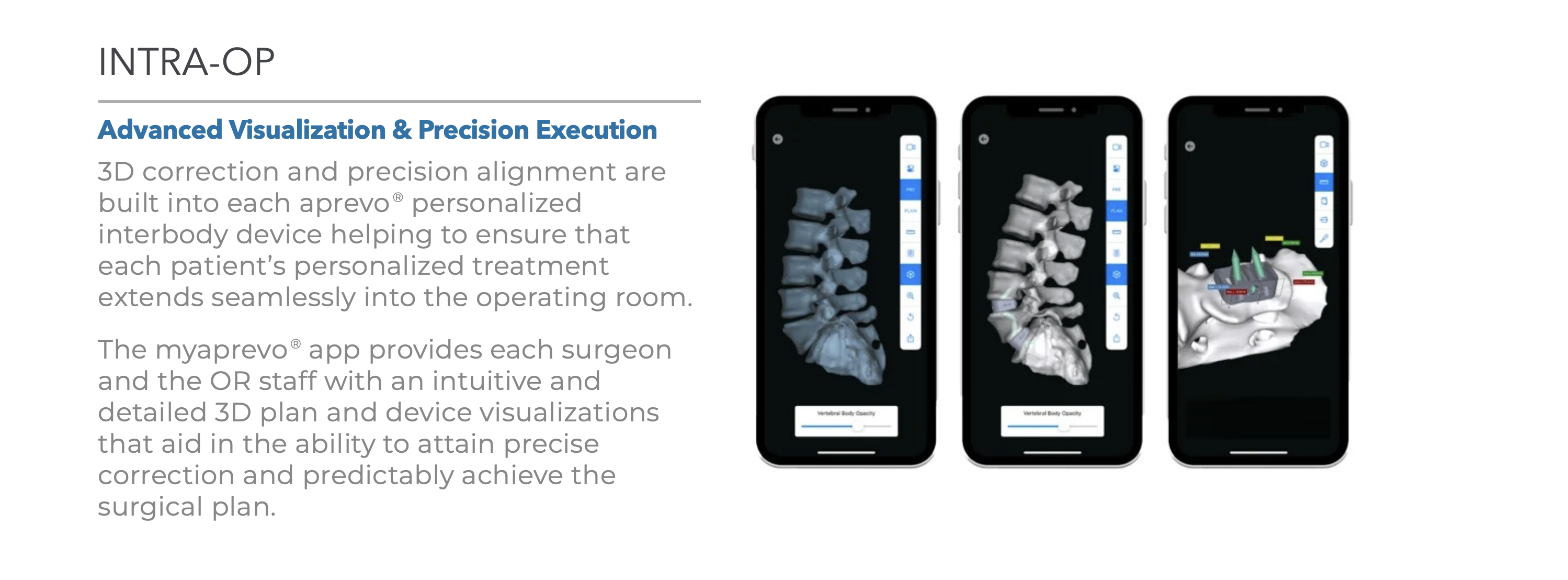
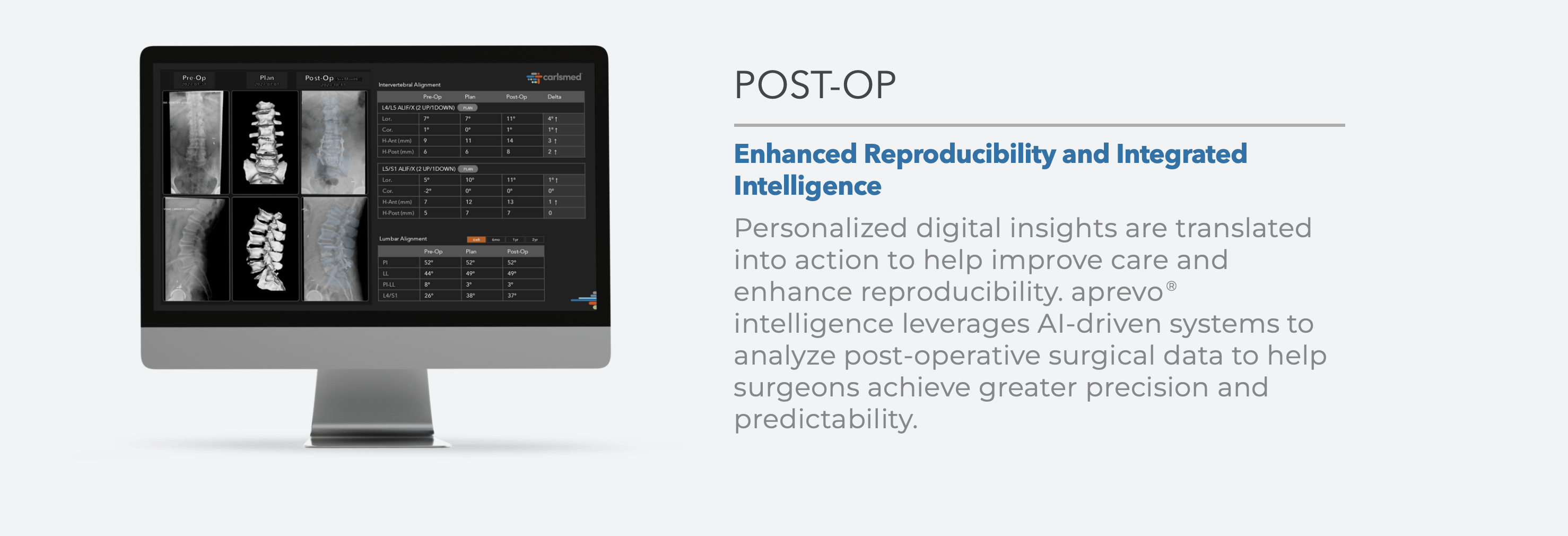
Your plan starts from your actual anatomy, not an average.
About this stageFrom real-time navigation to implants built for an individual anatomy, these tools help Dr. Hobbs plan more precisely and operate with better information.
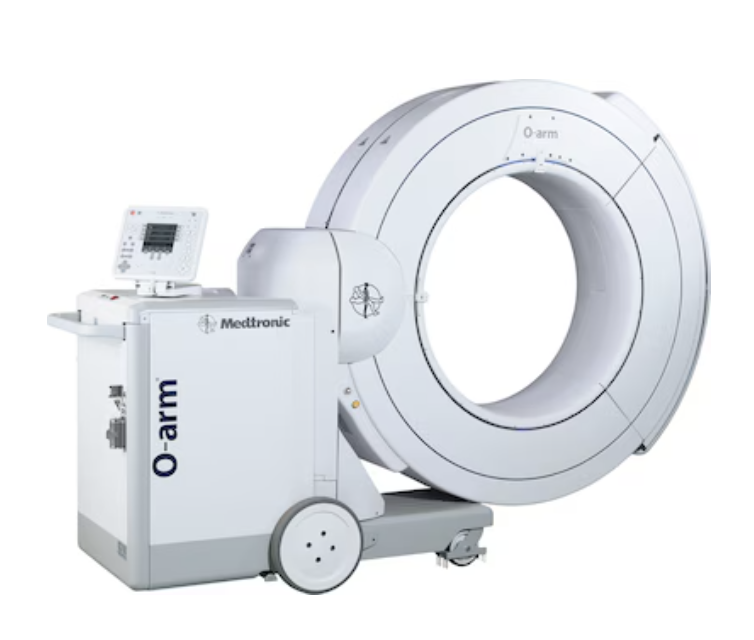
Real-time 3D guidance for precise instrument and implant placement.
Patient anatomy and alignment goals mapped before surgery with Medtronic GAiTEWAY™.

Pre-contoured rods matched to the planned spinal alignment.

Custom 3D-printed implants designed from the patient’s anatomy.
Radiolucent tumor implants that preserve clarity for imaging and radiation.
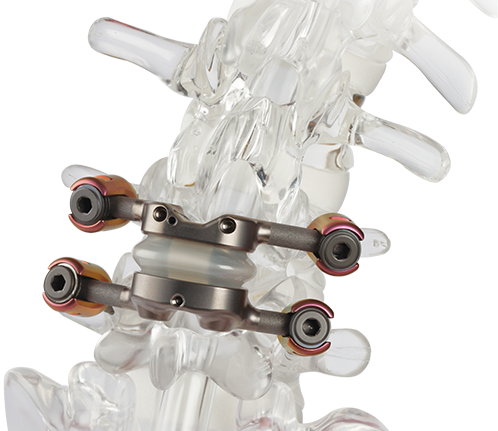
Motion-preserving stabilization for select lumbar conditions.
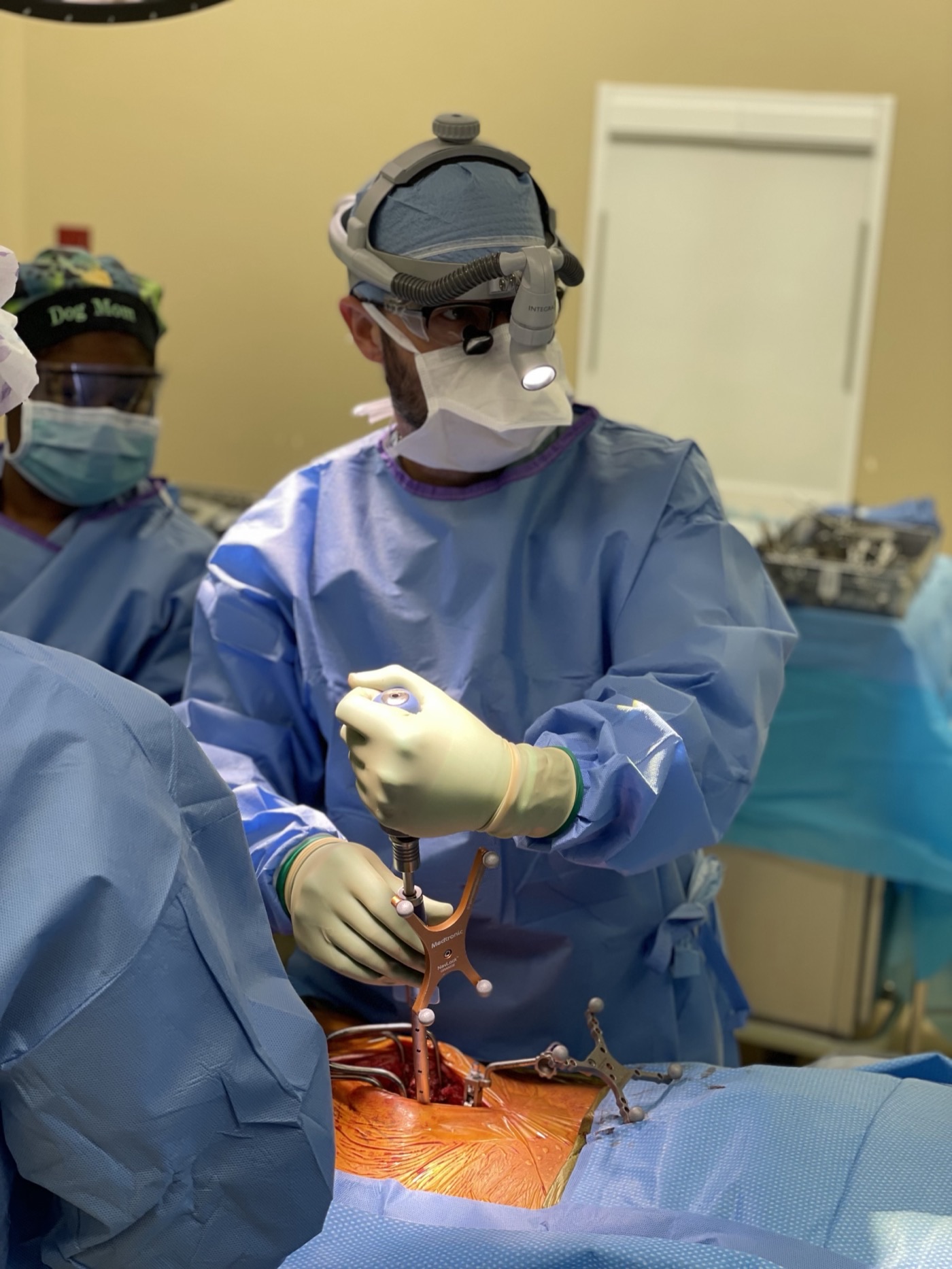
The goal is not simply to operate. It is to find the least invasive, most precise path to a lasting result.
Nonsurgical treatment is explored whenever appropriate.
StealthStation navigation supports smaller, more accurate procedures.
Revision expertise for failed or painful prior fusions.
Each plan reflects the patient’s condition, anatomy, and goals.
Explore the procedures and advanced options Dr. Hobbs uses to relieve nerve pressure, restore stability, and preserve motion when possible.
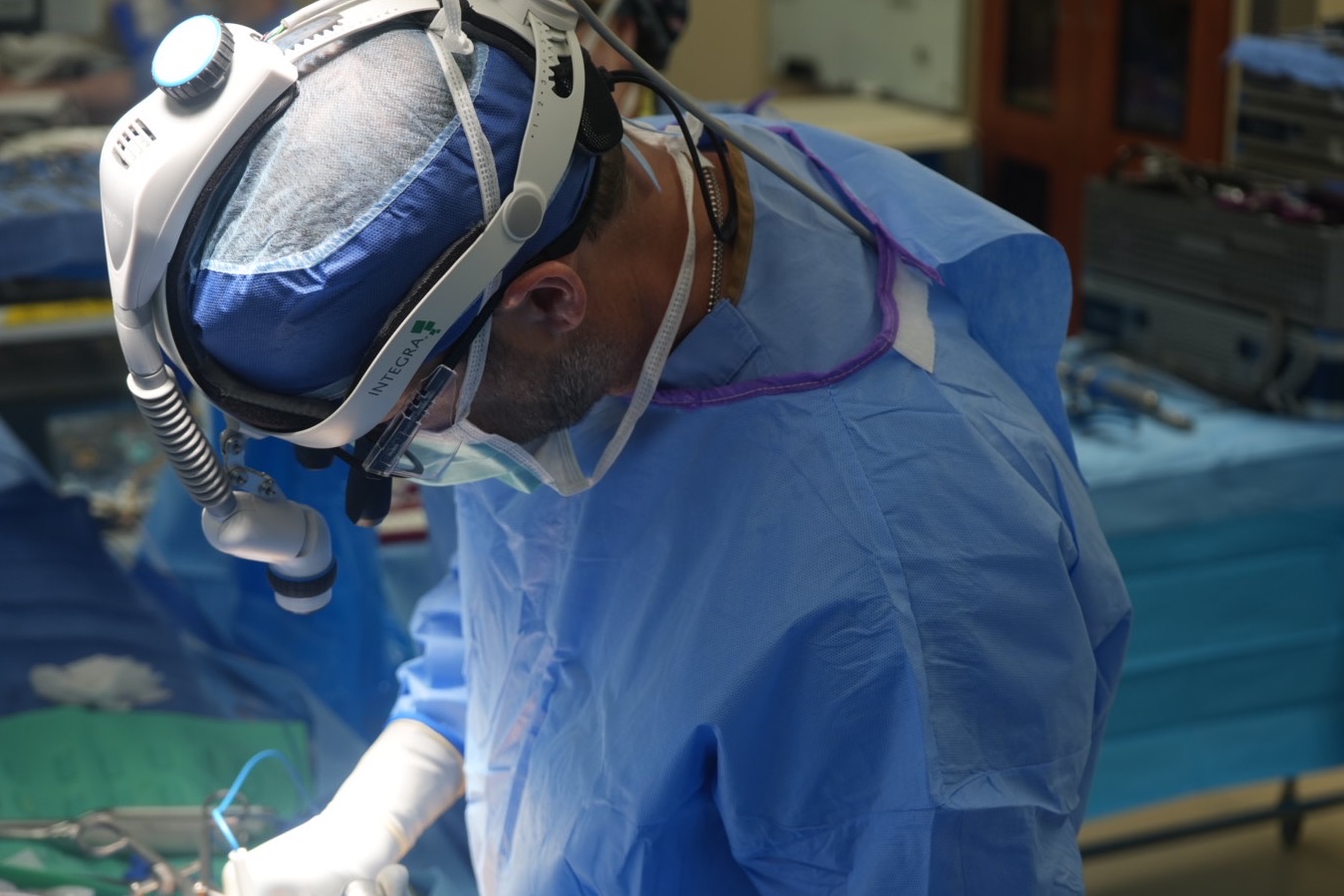
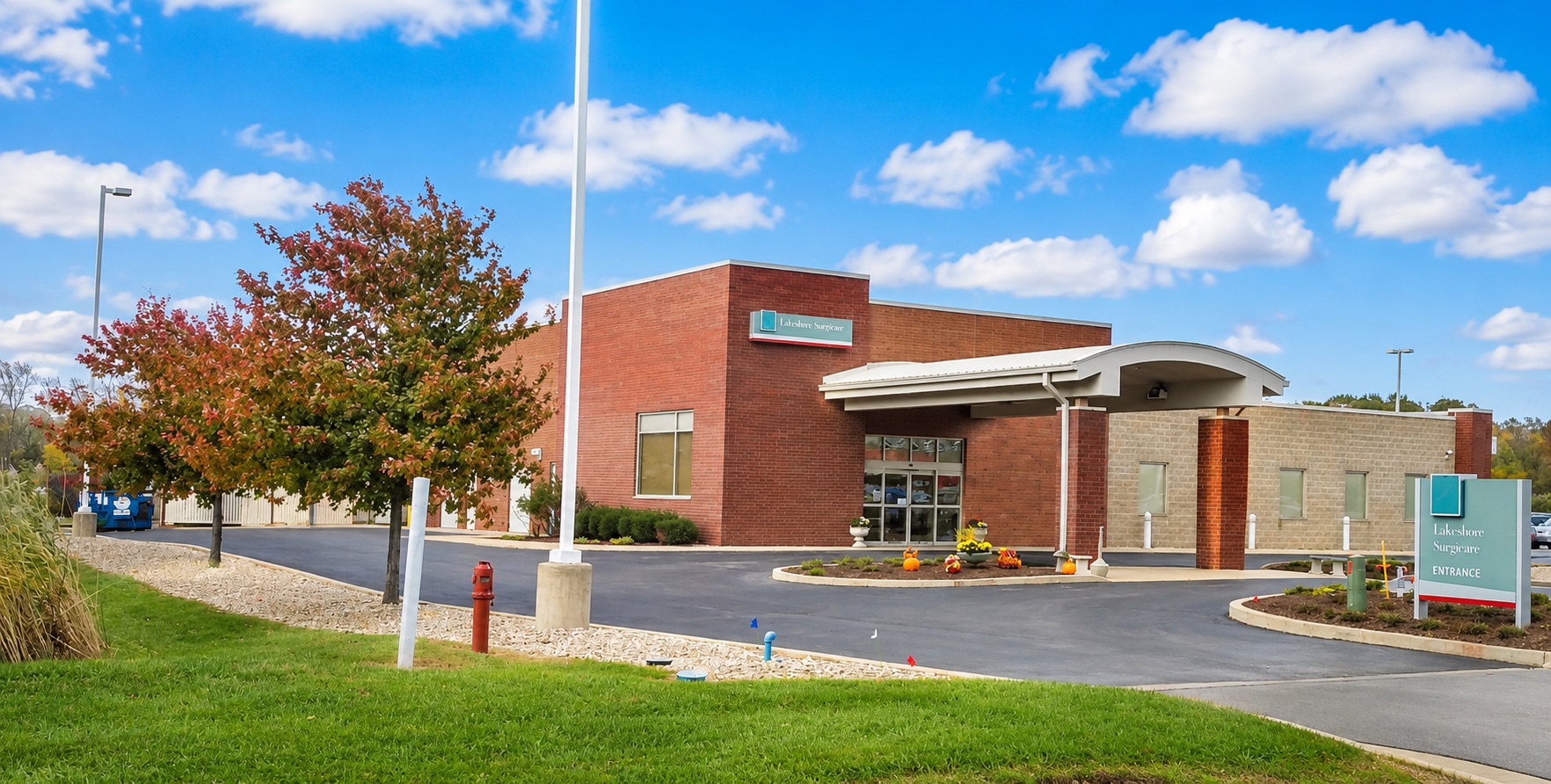
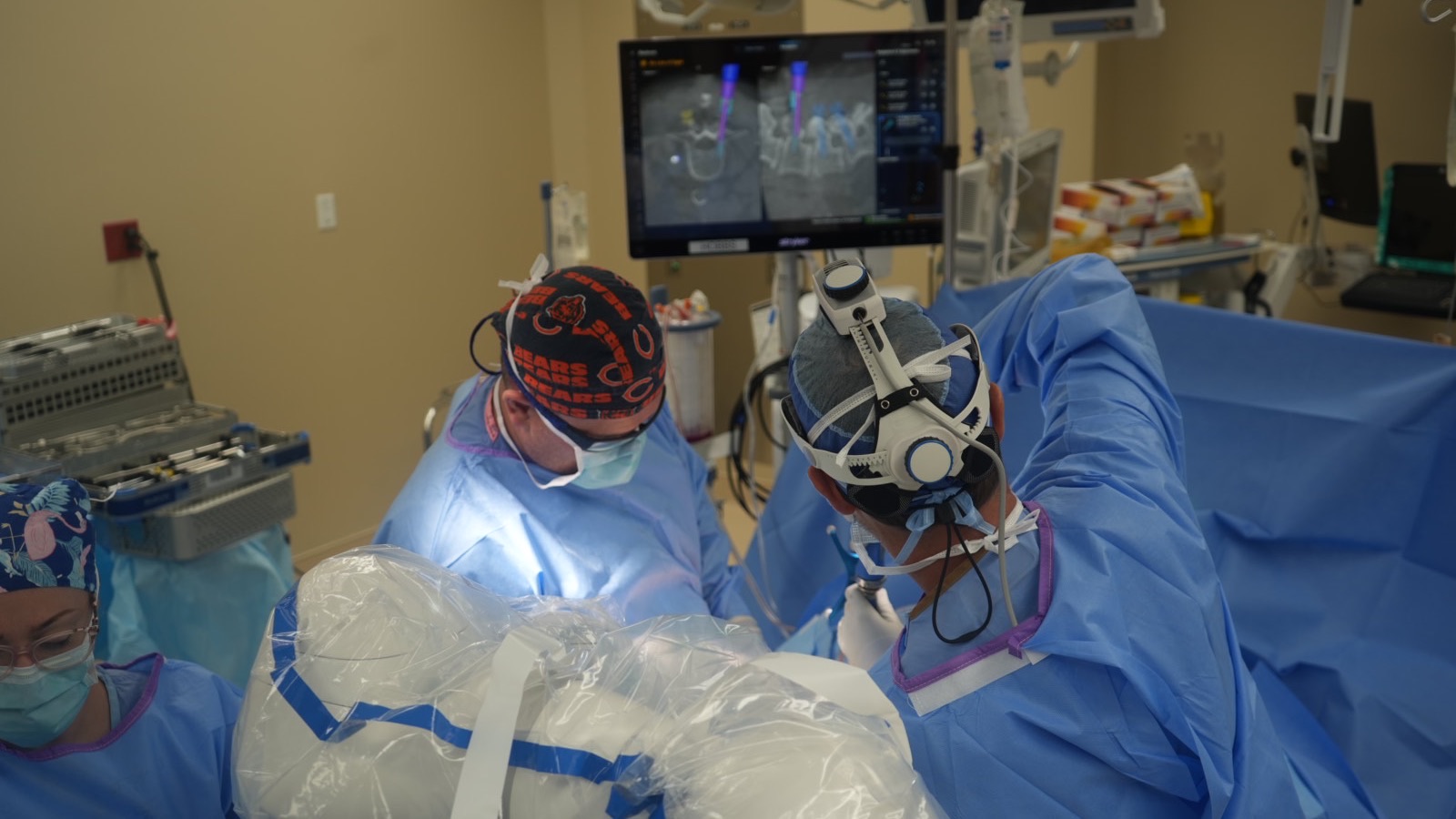
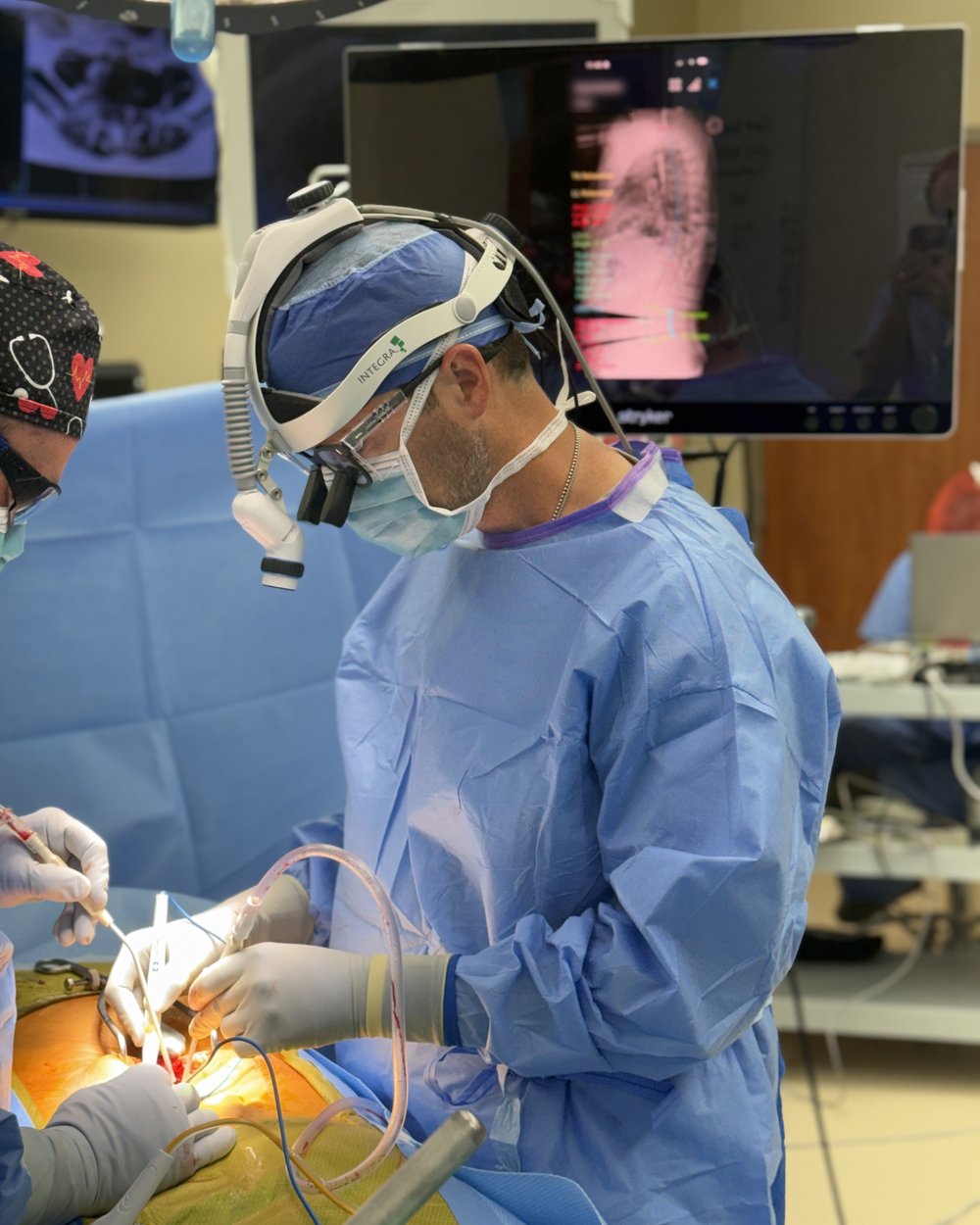
Small incisions and tissue-sparing techniques can mean less postoperative pain, reduced blood loss, and faster healing.
Read about minimally invasive surgeryOptions that preserve movement address different lumbar problems. DIAM, Coflex, and TOPS have different indications; your examination and imaging help guide which approach may fit.
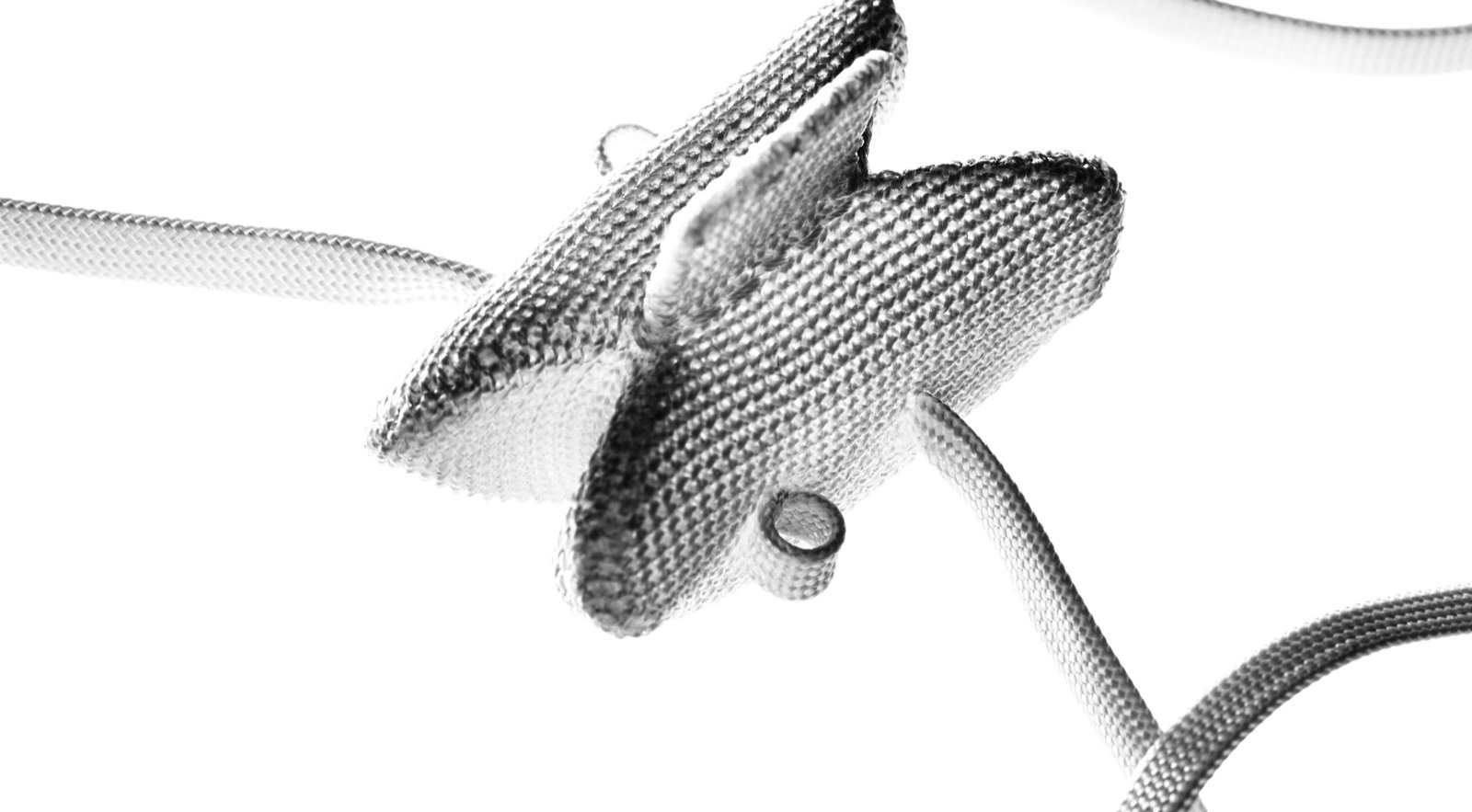
A flexible spacer that shares load at one lumbar level for selected patients with disc-related back pain. See the implant, compare the anatomy, and watch the procedure animation.
Explore DIAM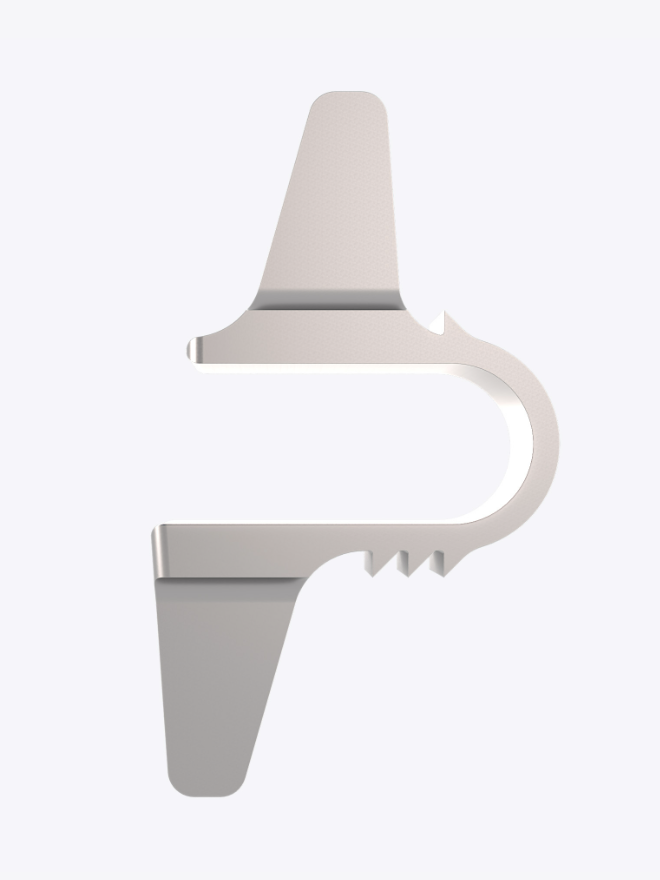
A small titanium device placed after decompression to stabilize the spine without fusing it — an FDA-approved option for one- or two-level lumbar spinal stenosis that keeps the segment moving.
Explore coflex First in IndianaA mechanical motion device that replaces what is removed during decompression — an FDA-approved alternative to fusion for spinal stenosis with spondylolisthesis. Dr. Hobbs was the first surgeon in Indiana to perform it.
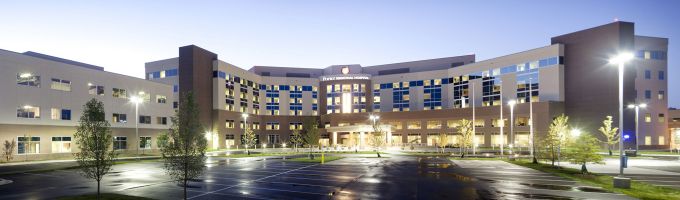
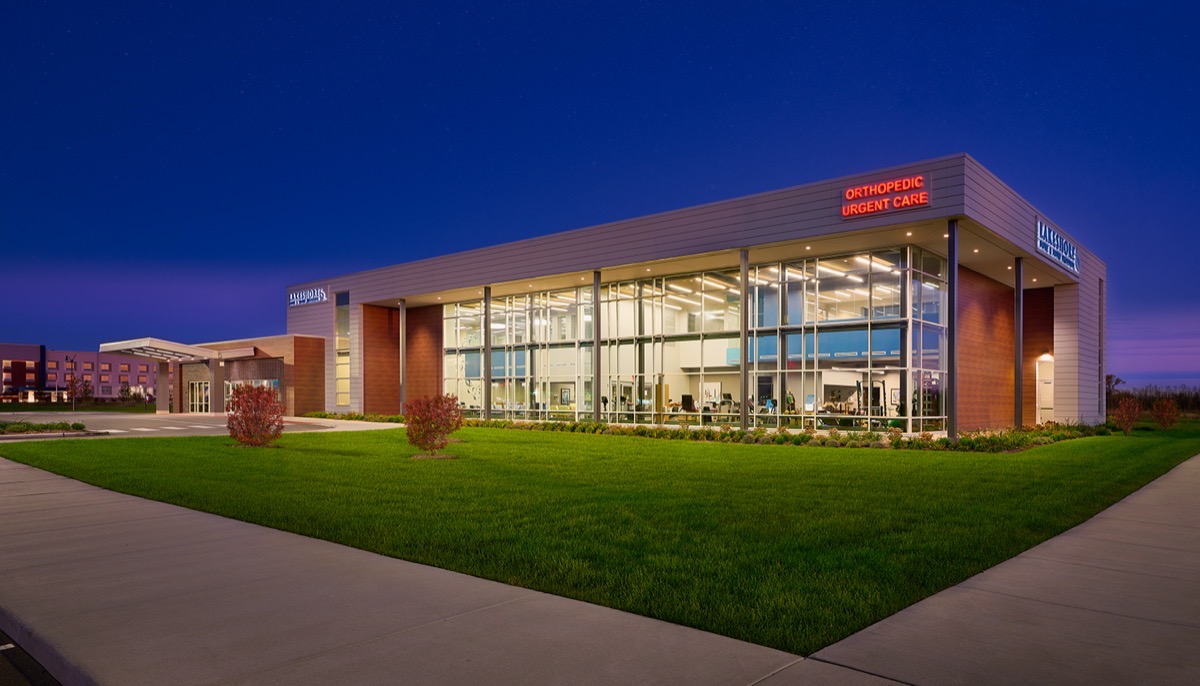
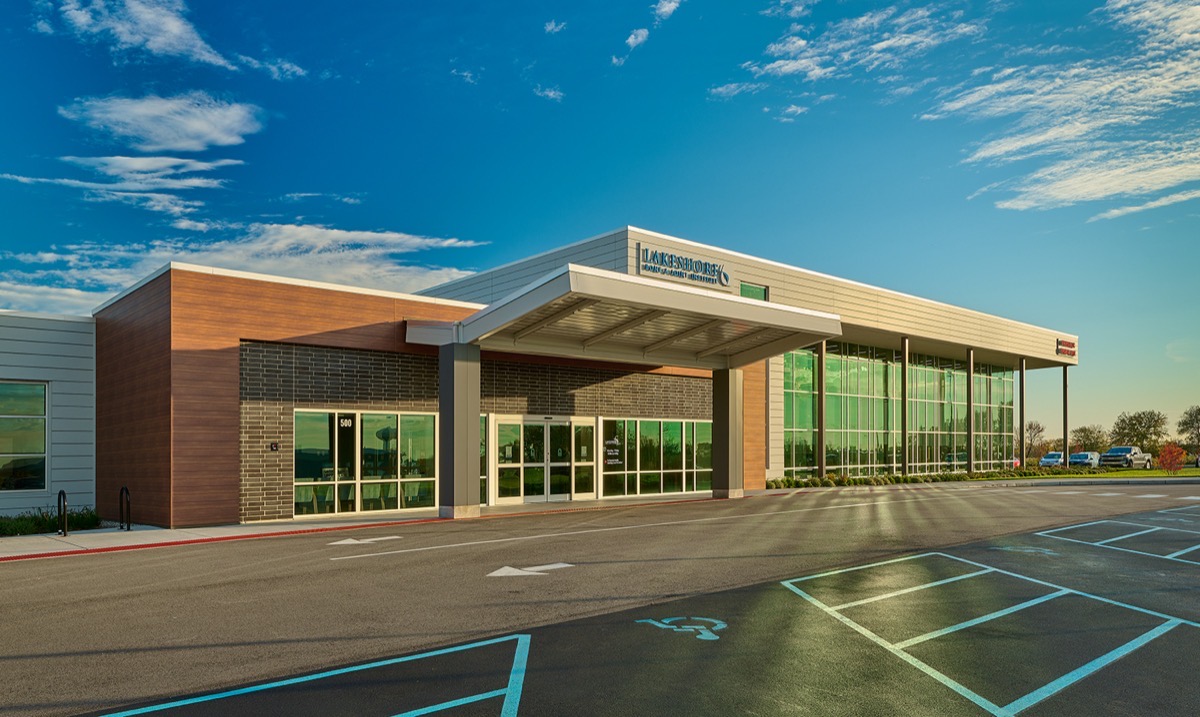
Explore TOPSDr. Hobbs sees patients at the state-of-the-art Lakeshore Bone & Joint Institute in Crown Point. Take a look inside.

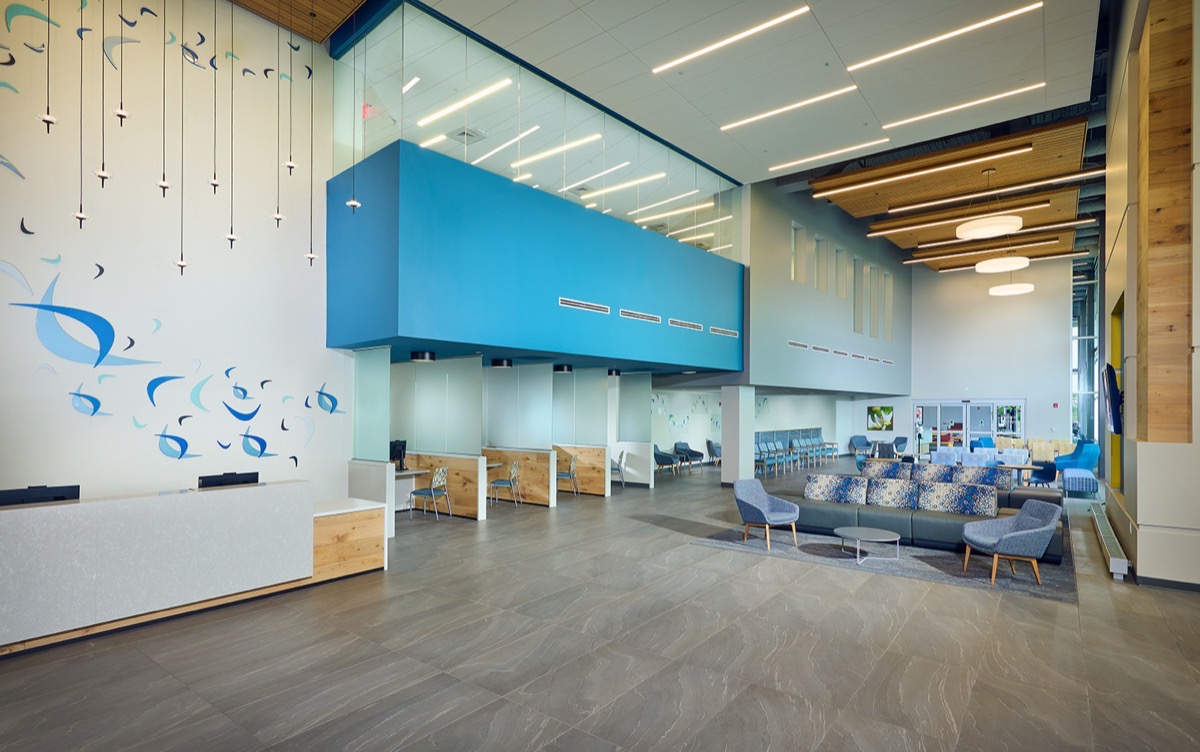
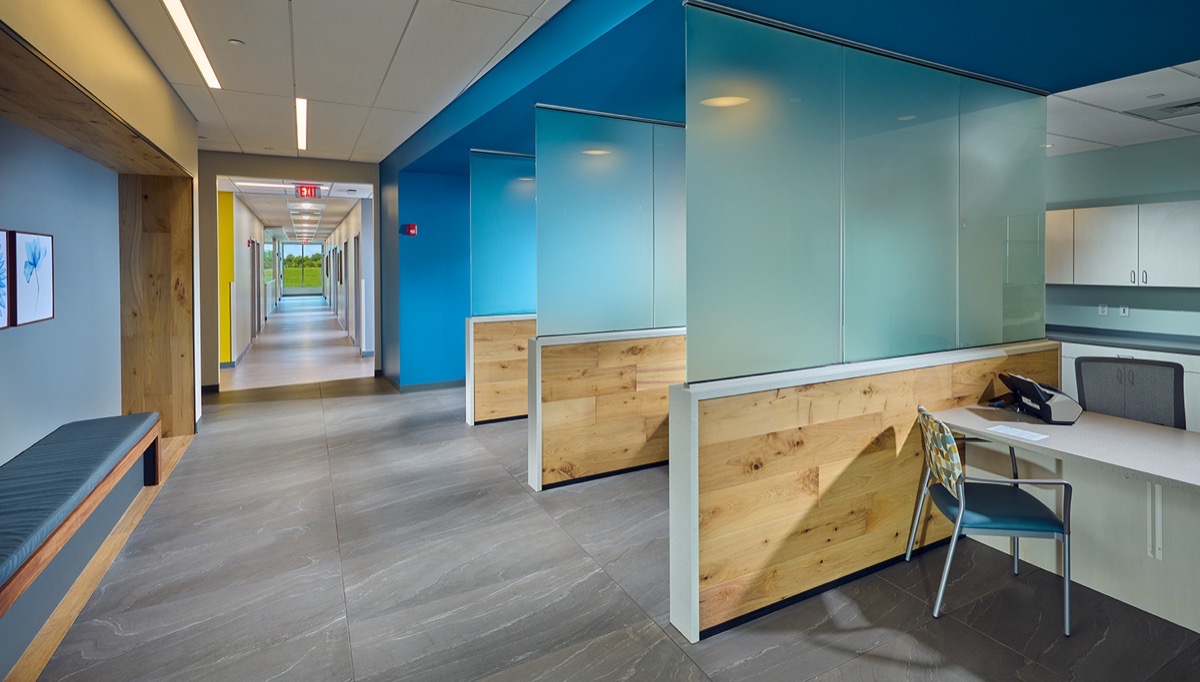
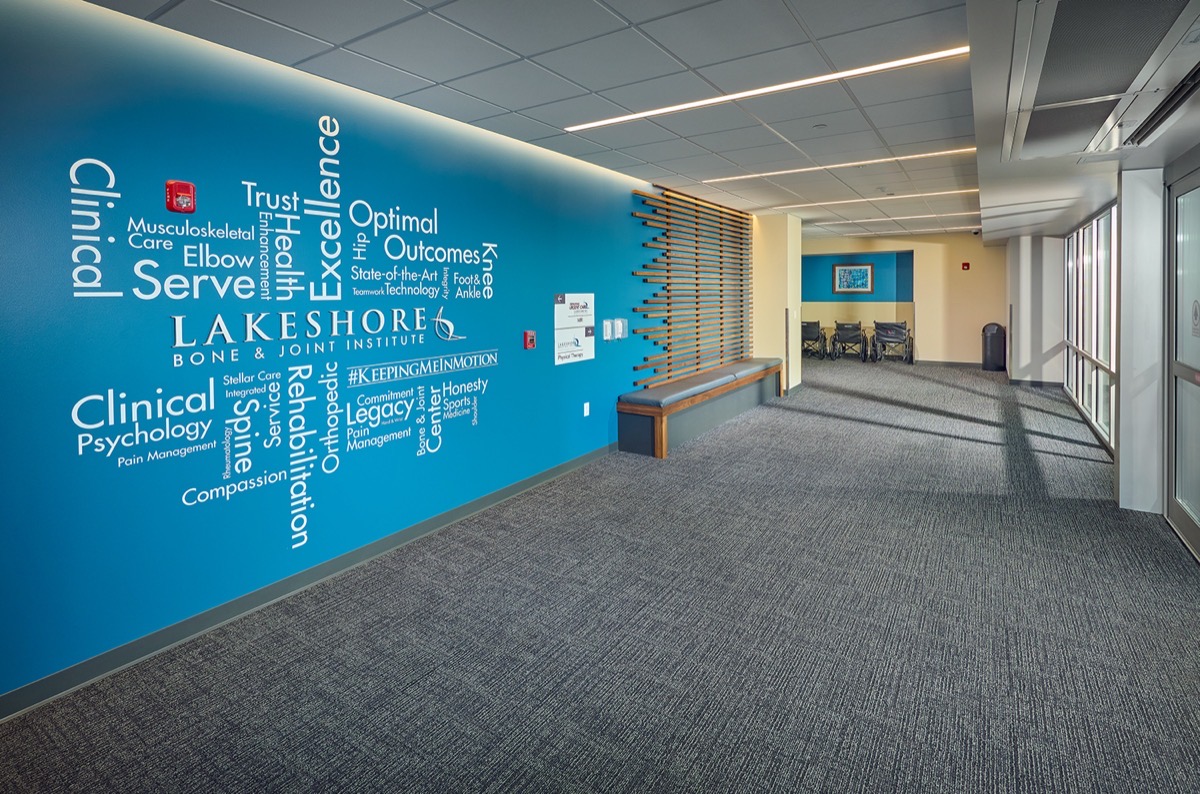
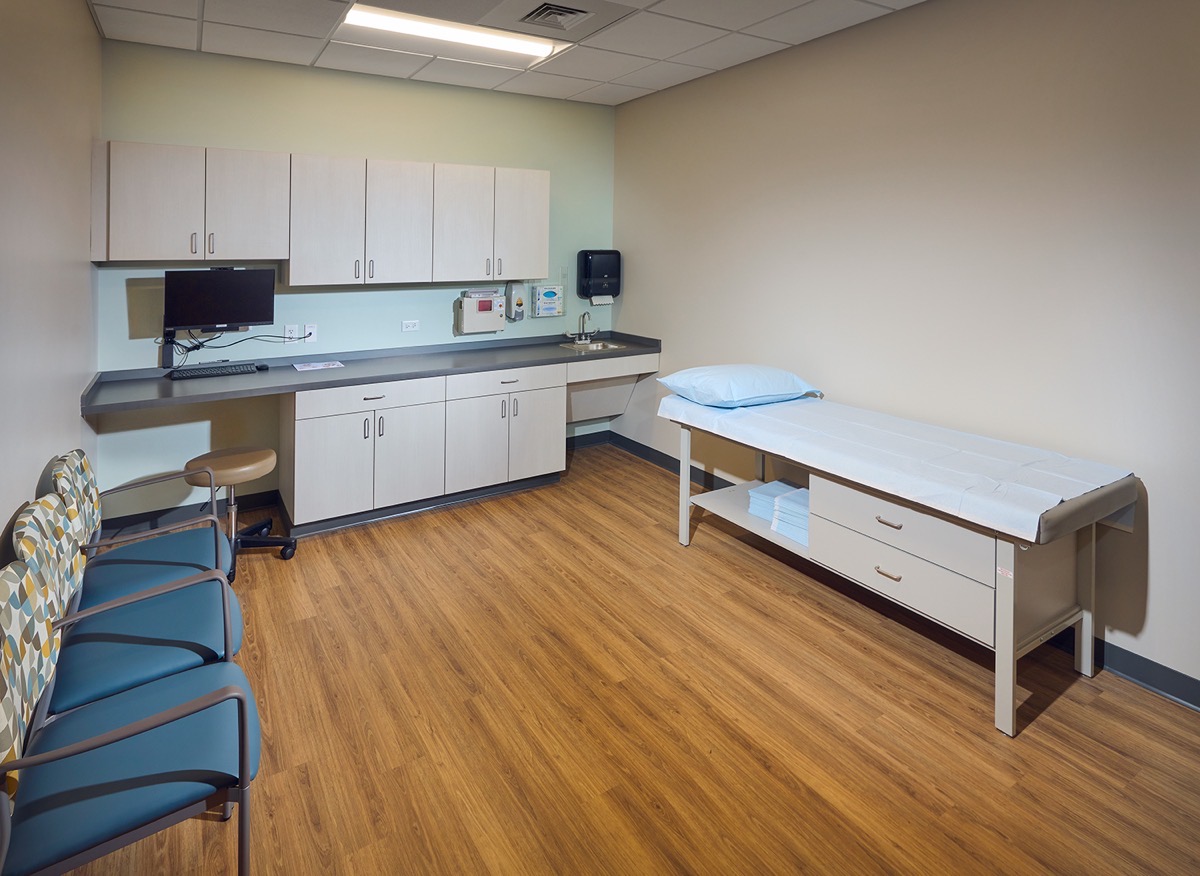
Board certification, academic training, complex-spine expertise, and continued involvement in the specialty.
Full training and credentialsBoard-certified in neurological surgery.
Completed neurological surgery residency and served as chief resident.
New · 2026Appointed Clinical Associate in the Department of Neurosurgery.
Specialty-trained in complex conditions affecting alignment, stability, and the nervous system.
Reviewer for Spine, The Spine Journal, and the Journal of Neurotrauma.
Answers from Dr. Hobbs's office about surgery, recovery, and your care.
Monday – Friday: 8:00 AM – 4:30 PM
Communities Served
Crown Point & Chesterton, Valparaiso, Merrillville, Hobart, Munster, Dyer, Highland, Michigan City, LaPorte, and the greater Northwest Indiana & South Chicagoland area.
Office Maps
Crown Point
Chesterton
Call our office or use the LBJI Patient Portal to schedule your appointment with Dr. Hobbs.
Monday – Friday · 8:00 AM – 4:30 PM
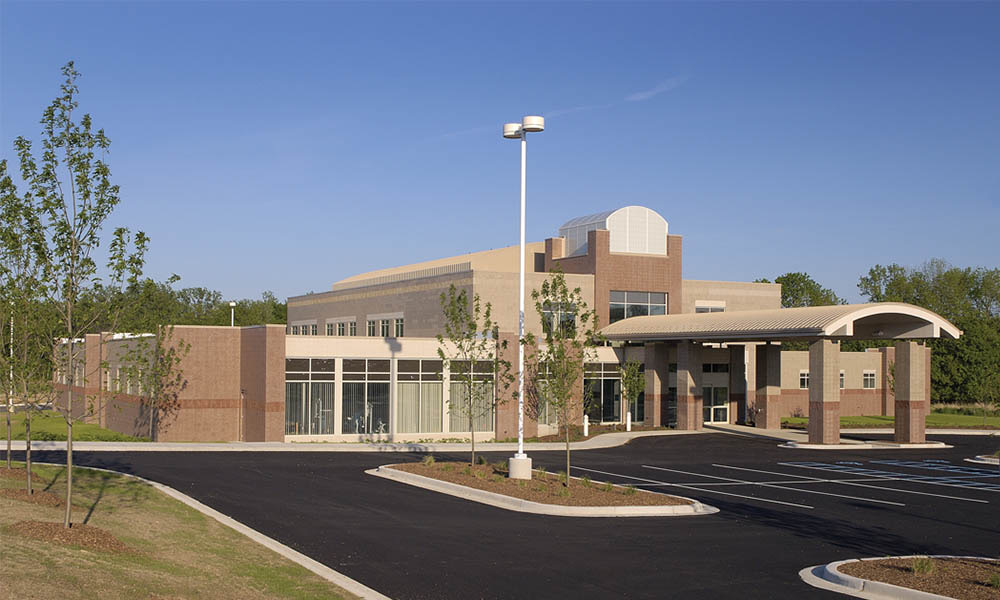
Lakeshore Bone & Joint Institute · Crown Point & Chesterton, IN
Page updated . About content and medical review dates.