Home / Procedures / Robotic & Navigated Spine Surgery
Robotics & Navigation

Robotic-Assisted & Navigated Spine Surgery

Dr. Hobbs pairs Medtronic StealthStation™ navigation, Mazor™ robotics, and O-arm™ imaging — GPS-like 3D guidance with robotic precision — to place implants with exceptional accuracy through smaller, tissue-sparing approaches.

Call (219) 250-5010
Medically reviewed by Jonathan G. Hobbs, M.D. · Updated June 2026
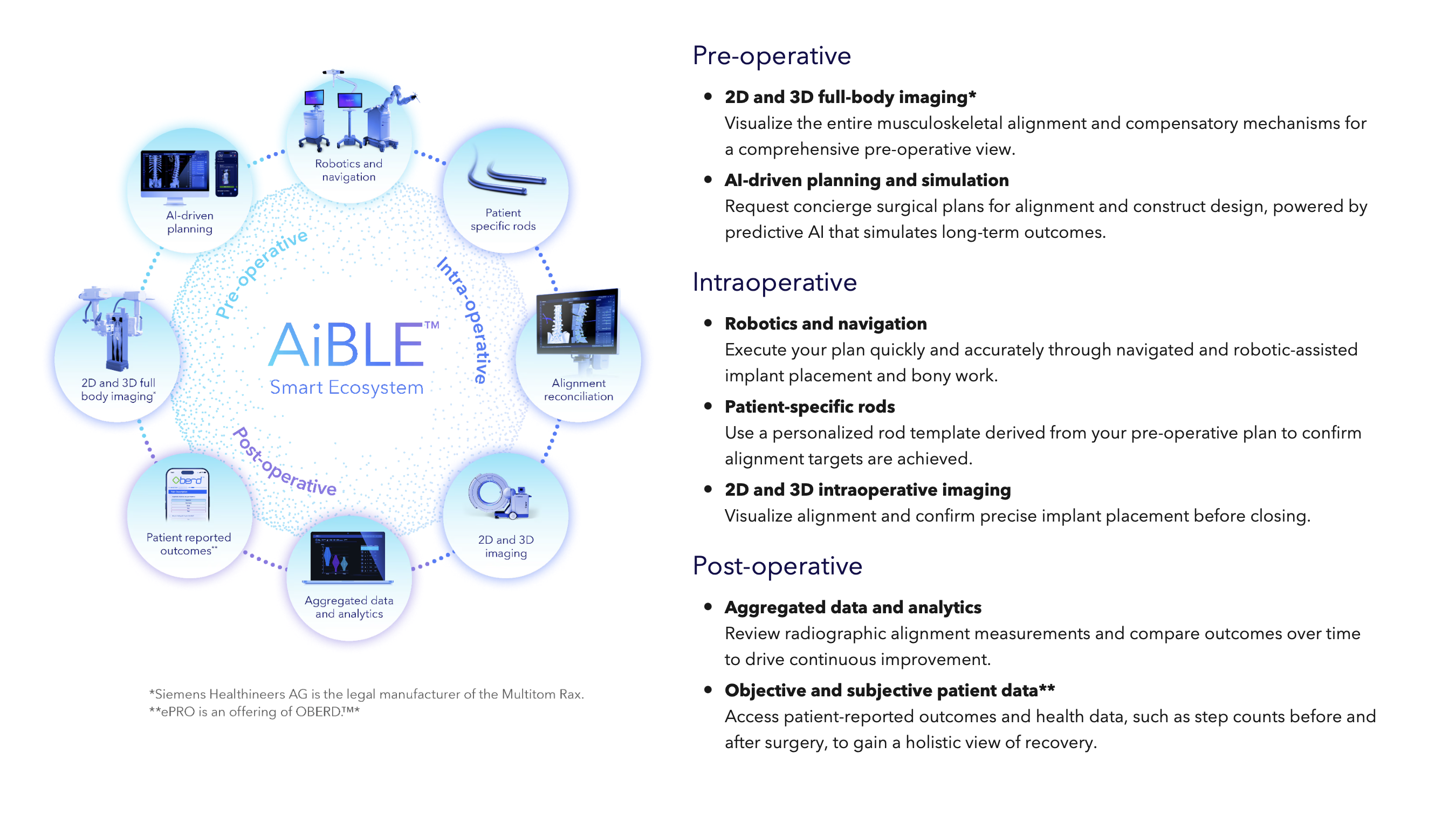
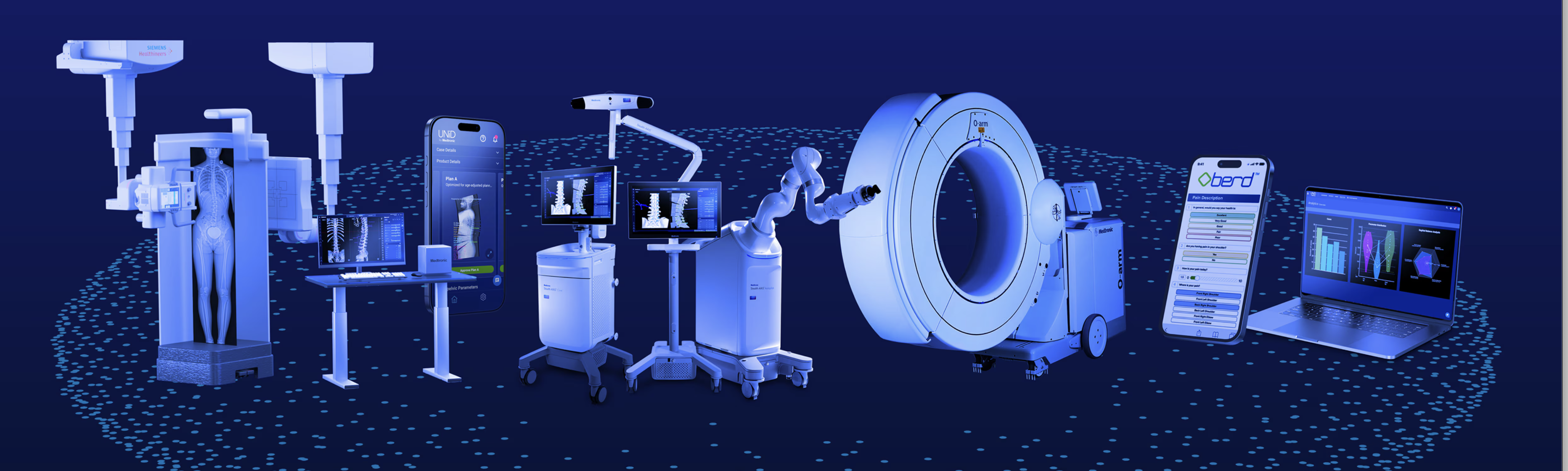
The connected Medtronic AiBLE ecosystem of spine surgery technology: full-body imaging, UNiD planning app, StealthStation navigation, Mazor robotic guidance arm, O-arm imaging system, and post-operative data tools.

Precision Through Robotics and Navigation

Some of the most important moments in spine surgery come down to millimeters — placing a screw safely within a small corridor of bone, or positioning an implant to restore exact alignment. Robotic guidance and image-guided navigation are the tools Dr. Hobbs uses to achieve that level of precision.

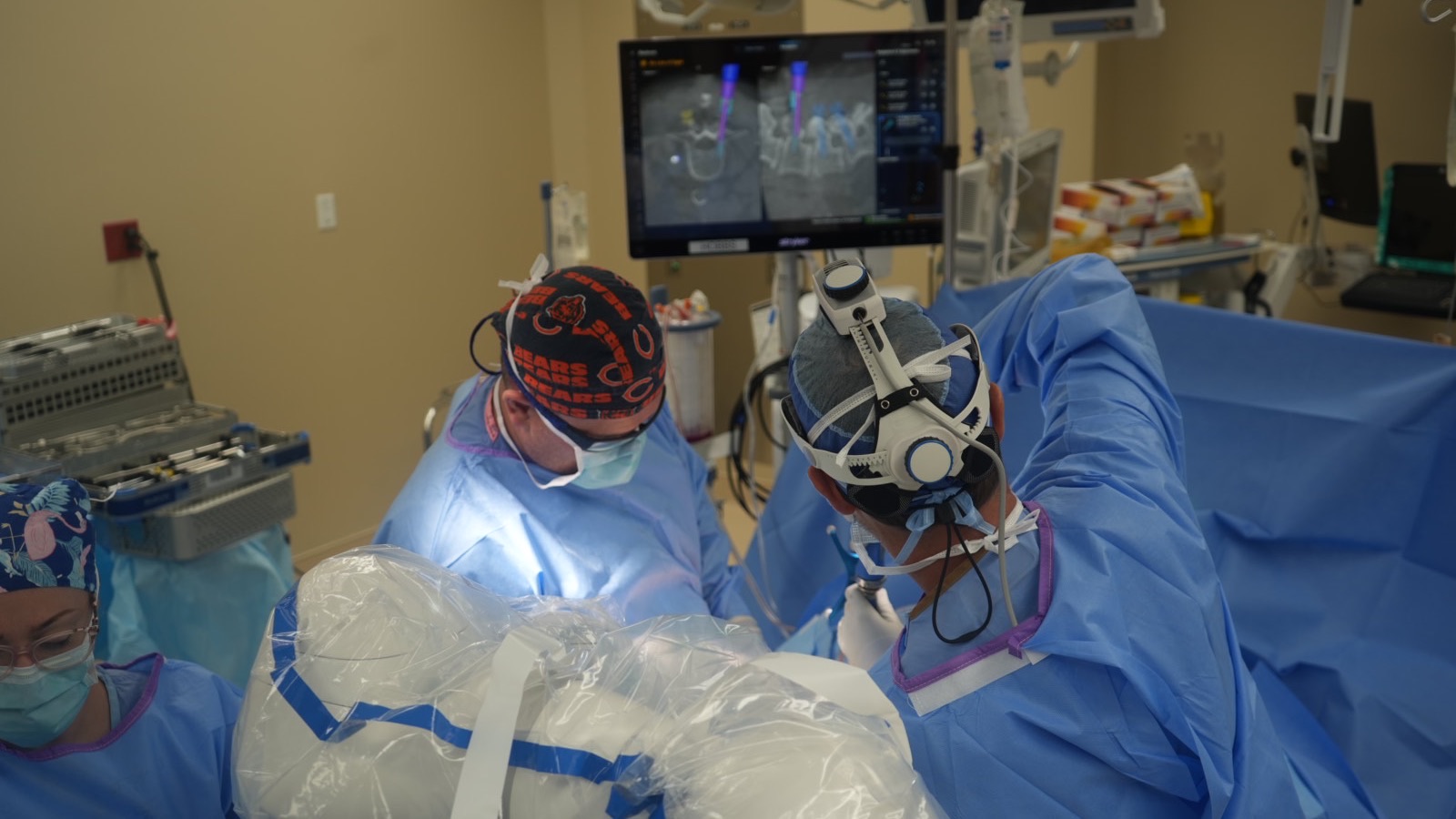
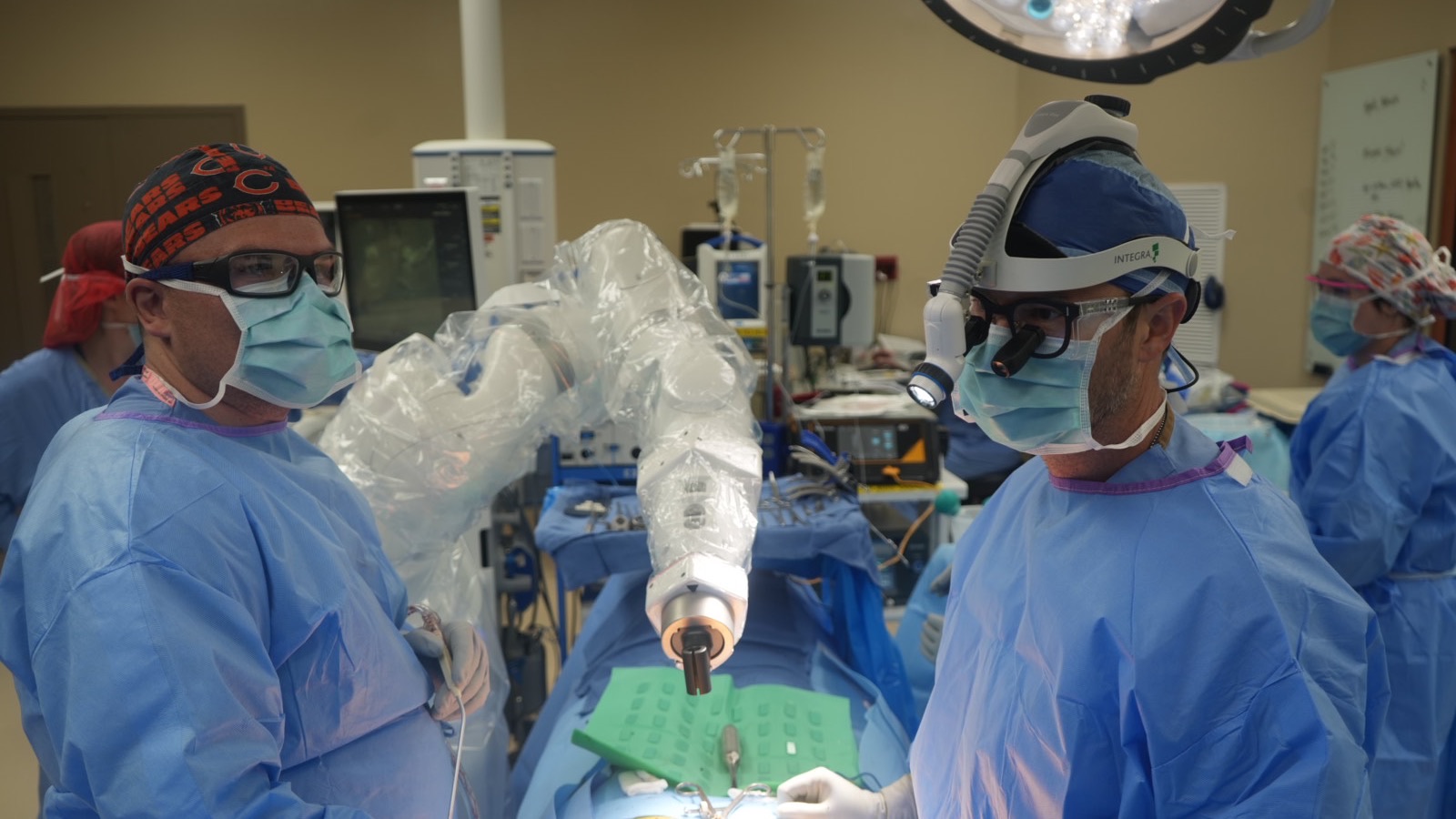
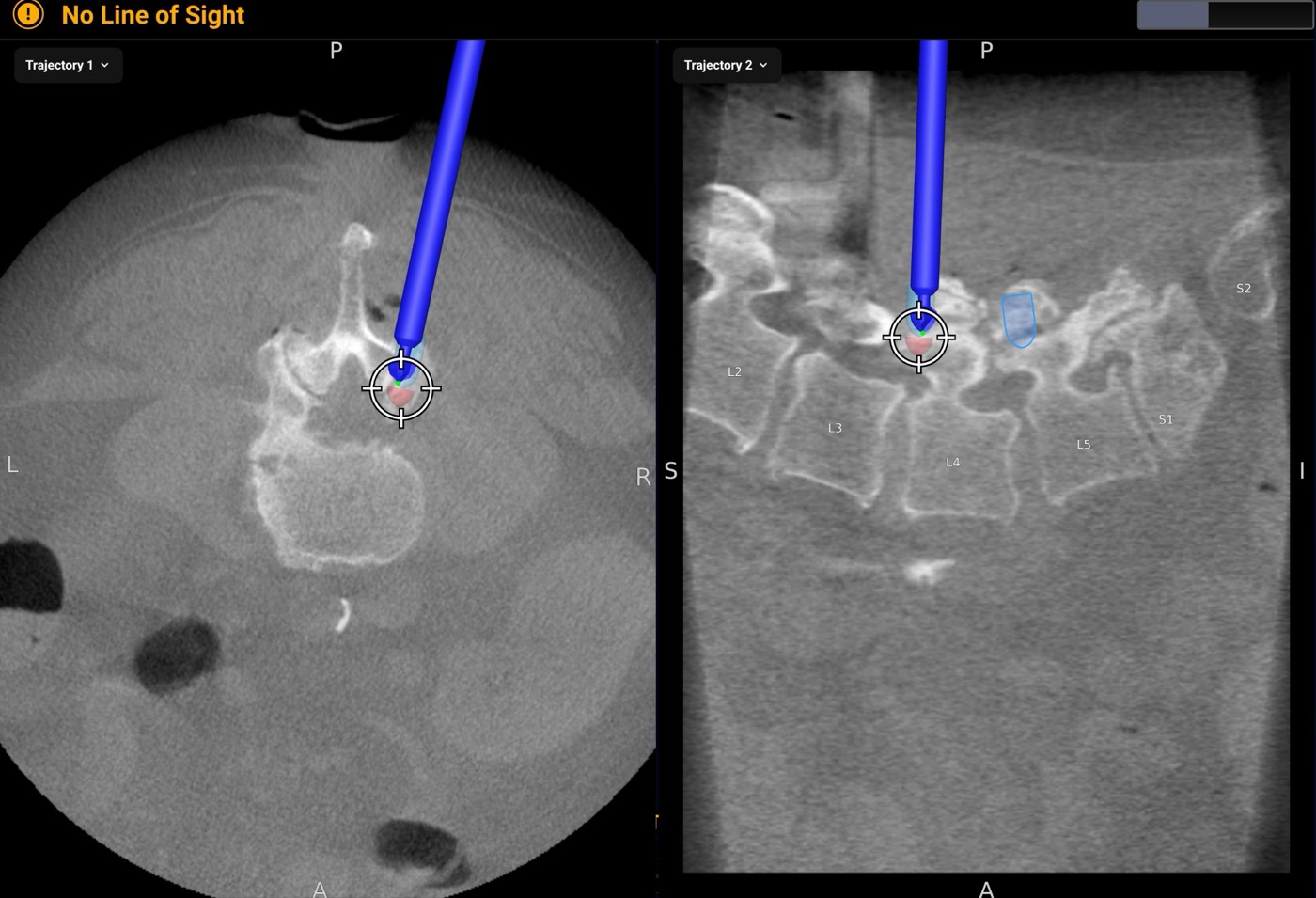
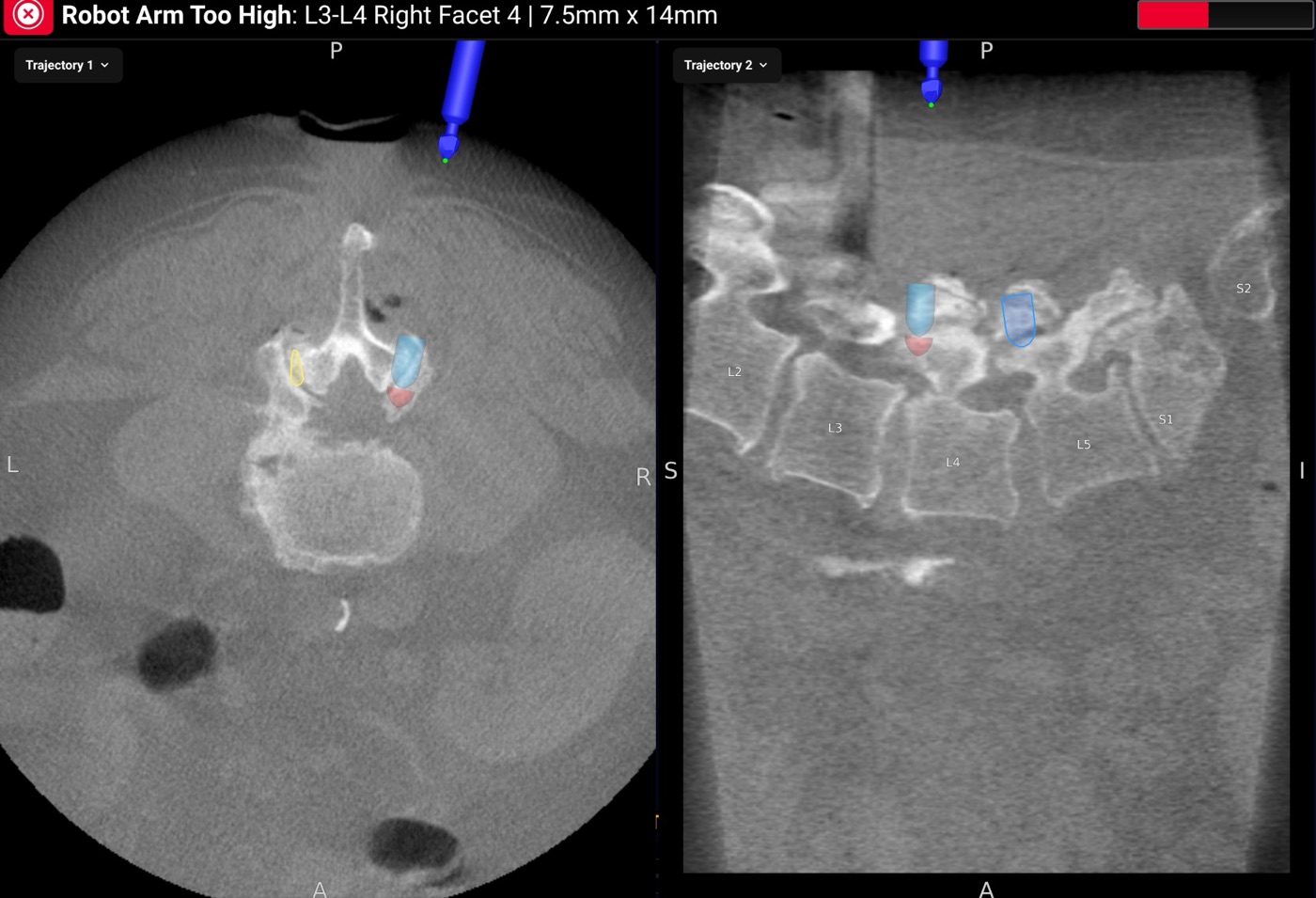
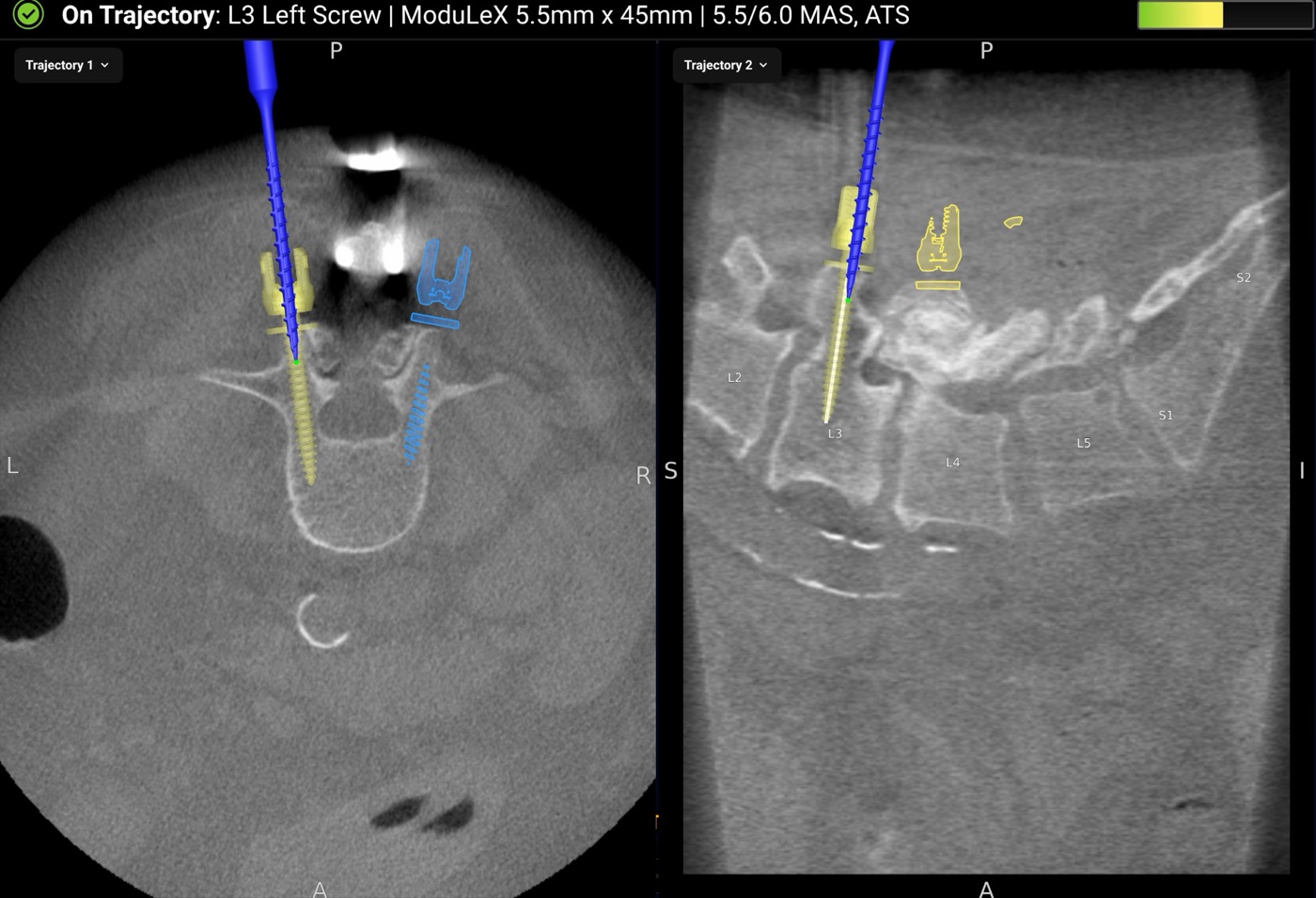
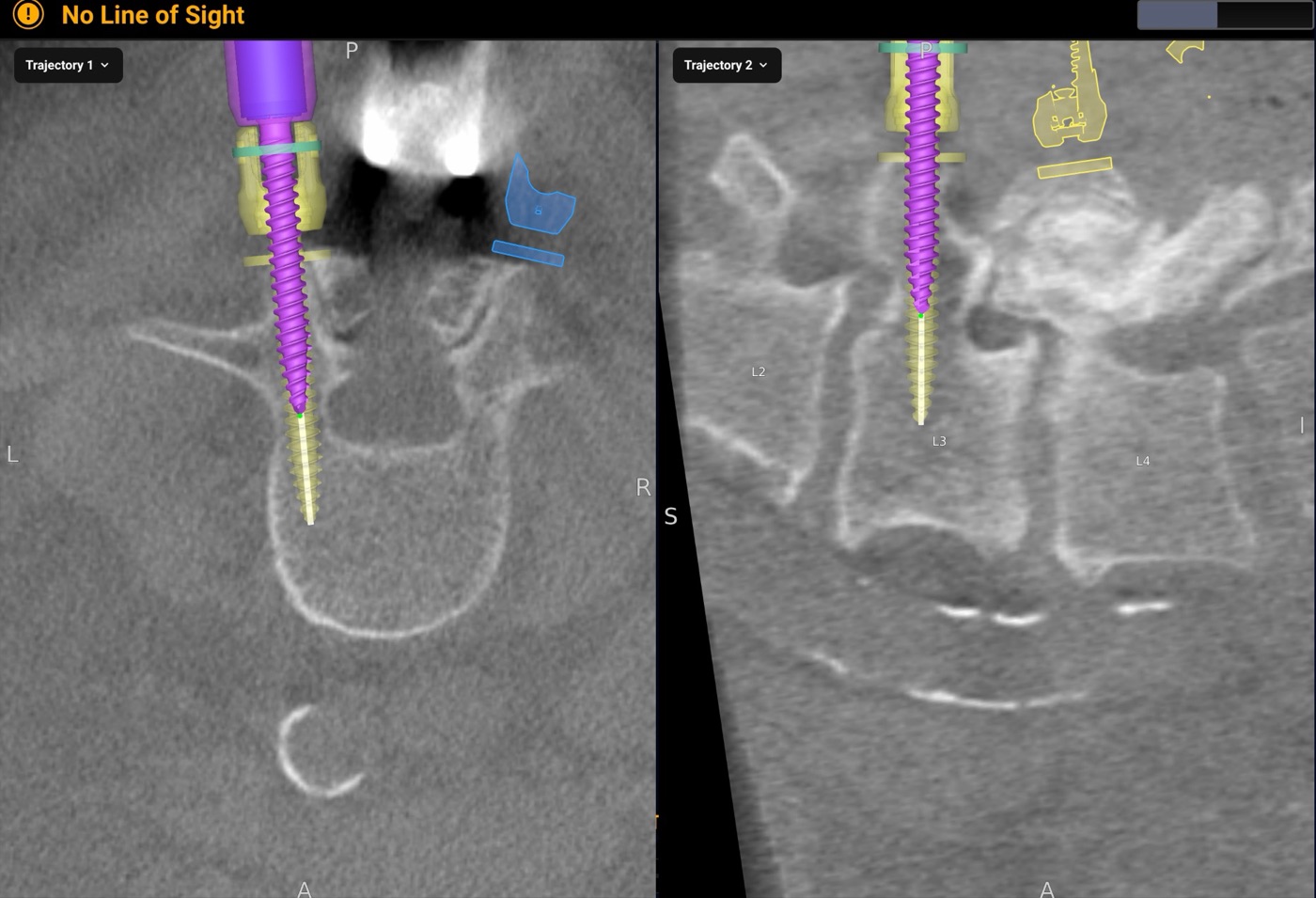
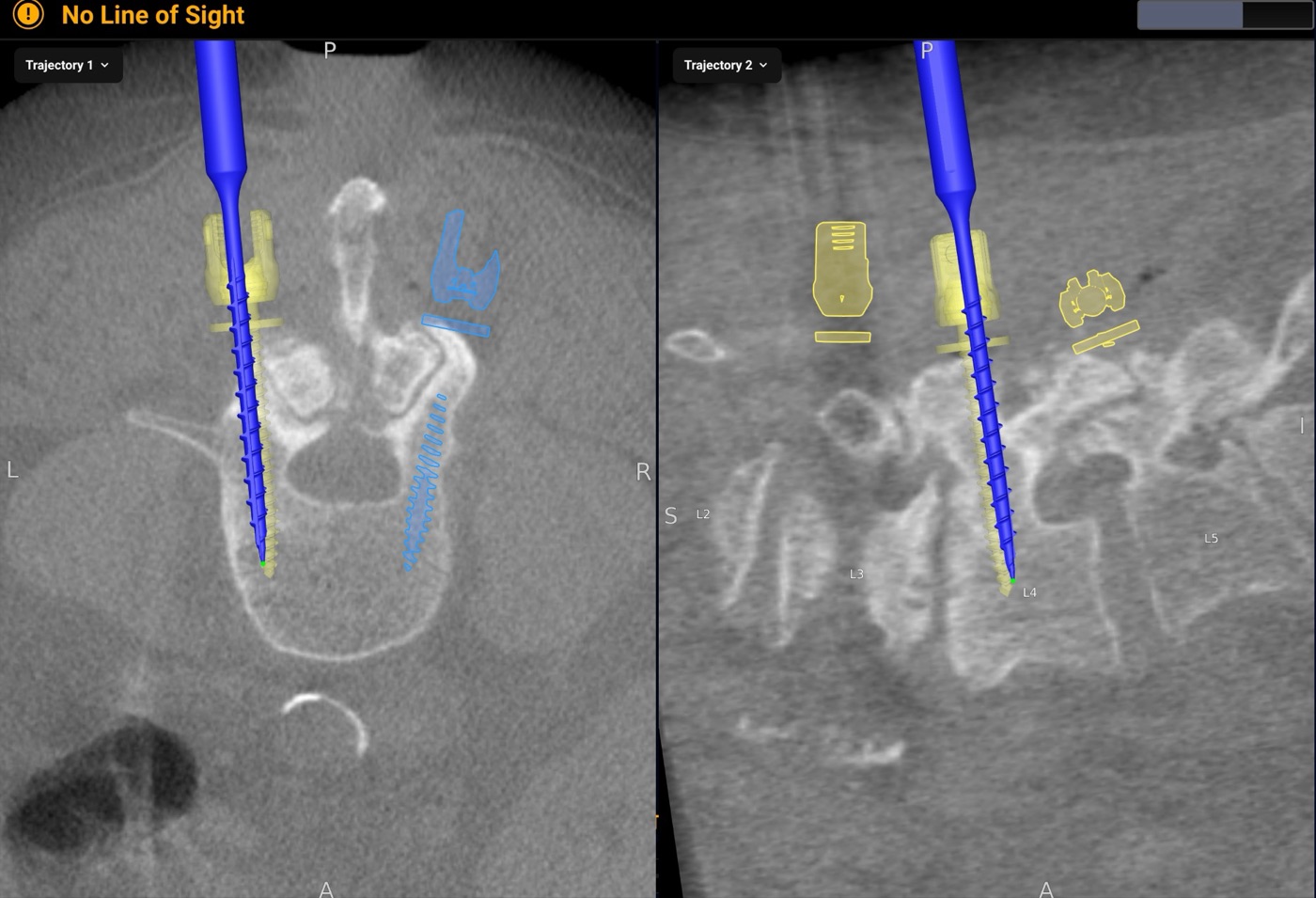
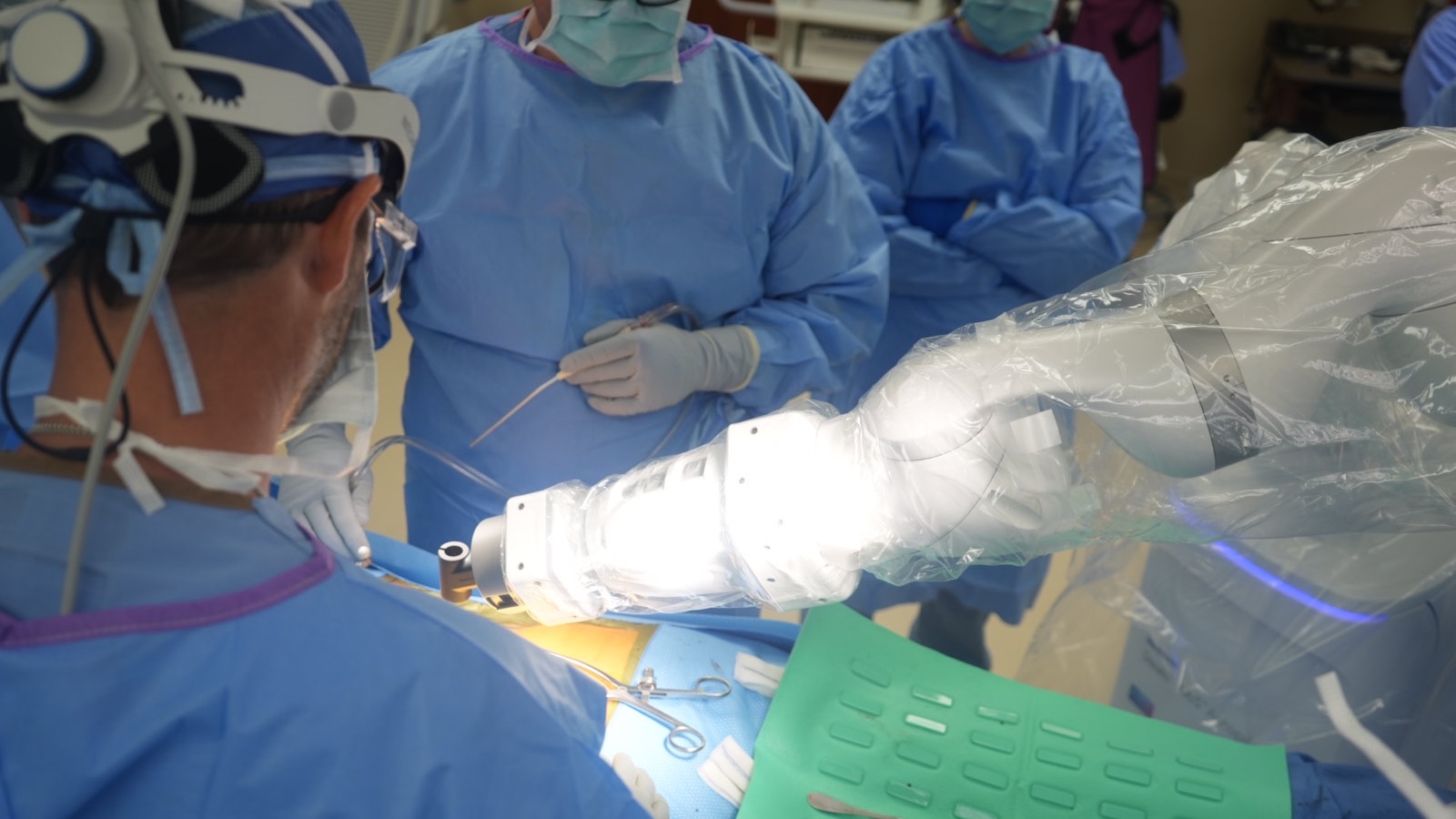
Think of it as a GPS paired with a steady robotic guide. The O-arm™ imaging system creates a real-time 3D picture of your spine during surgery. StealthStation™ navigation tracks the surgeon's instruments against that 3D model, showing their exact position relative to your anatomy. And the Mazor™ robotic guidance system provides a stable, pre-planned trajectory so each step follows the surgical plan precisely.

Dr. Hobbs is extensively trained in these systems and uses them routinely. Importantly, the surgeon remains fully in control at every moment — the robot guides the trajectory, it does not operate on its own.
Three Technologies Working Together

StealthStation™ Navigation

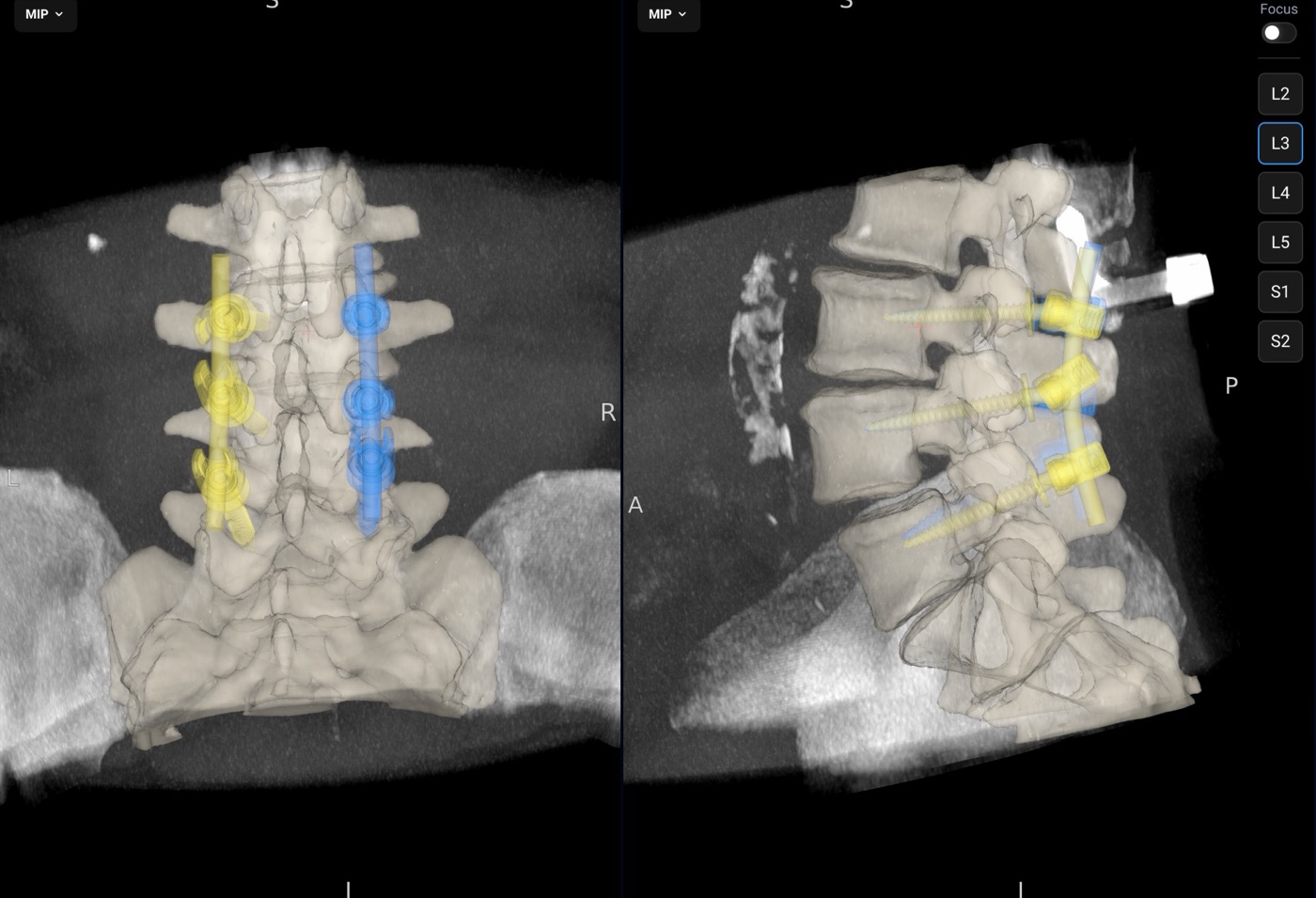
A GPS for the spine. It locates anatomical structures in 3D and tracks surgical instruments in real time against intraoperative images, so Dr. Hobbs always knows the exact position of his instruments relative to your anatomy.

Mazor™ Robotic Guidance

Combines surgical planning with a robotic arm that provides a stable, pre-planned trajectory. It helps execute the plan efficiently and accurately — the surgeon stays in control while the robot guides each step.

O-arm™ Imaging

An intraoperative imaging system that provides on-demand 2D and 3D images during surgery — building the 3D map navigation relies on, and letting Dr. Hobbs confirm precise implant placement before closing.

Benefits of Robotic & Navigated Surgery

Exceptional Accuracy
Implants and screws are placed along a pre-planned, real-time-guided trajectory
Smaller, Tissue-Sparing Incisions
Precise guidance supports minimally invasive, muscle-preserving approaches
Intraoperative Confirmation
Imaging verifies accurate placement before the incision is closed
Plan-to-Execution Consistency
The pre-operative plan carries through precisely into the operating room
Efficient Execution
Combining planning, navigation, and robotics streamlines complex steps
Supports Better Recovery
Less tissue disruption can contribute to less pain and faster recovery

The AiBLE™ Smart Ecosystem

Robotics and navigation are one part of a connected system that spans the entire surgical journey — from planning, to the operating room, to recovery.

The AiBLE smart ecosystem diagram showing pre-operative AI-driven planning and 2D/3D full-body imaging; intra-operative robotics and navigation, patient-specific rods, alignment reconciliation, and 2D/3D imaging; and post-operative aggregated data, analytics, and patient-reported outcomes.
Pre-Operative
  • 2D & 3D full-body imaging
    Visualize the entire musculoskeletal alignment and compensatory mechanisms.
  • AI-driven planning & simulation
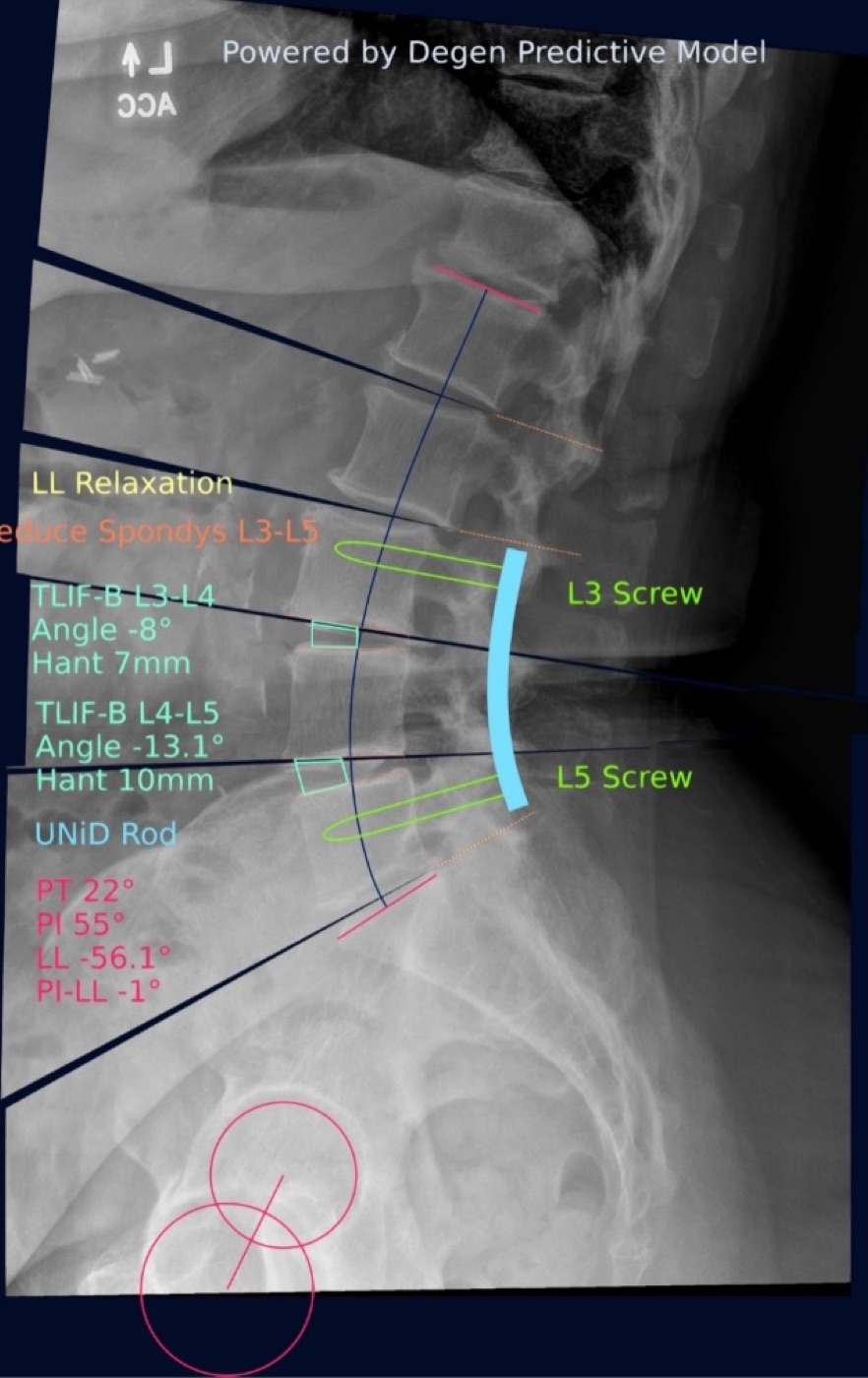
    Concierge surgical plans for alignment and construct design, powered by predictive AI.
Intra-Operative
  • Robotics & navigation
    Execute the plan through navigated and robotic-assisted implant placement and bony work.
  • Patient-specific rods
    A personalized rod template confirms alignment targets are achieved.
  • 2D & 3D intraoperative imaging
    Confirm precise implant placement before closing.
Post-Operative
  • Aggregated data & analytics
    Review radiographic alignment and compare outcomes over time.
  • Objective & subjective patient data
    Patient-reported outcomes and health data give a holistic view of recovery.

Why Choose Dr. Hobbs

Routine, Extensive Use
Extensively trained in StealthStation navigation and Mazor robotics — and uses them routinely, not occasionally
Full Technology Stack
Combines robotics and navigation with AI planning and patient-specific implants for end-to-end precision
Board-Certified Neurosurgeon
Board-certified by the American Board of Neurological Surgery
Elite Training
University of Kentucky medical degree; neurosurgery residency at the University of Chicago, serving as chief resident
Minimally Invasive Focus
Uses guidance technology to support smaller, tissue-sparing approaches and faster recovery
Lakeshore Bone & Joint Institute
Practicing at Northwest Indiana's most preferred orthopedic and spine practice

Frequently Asked Questions About Robotic & Navigated Spine Surgery

Robotic-assisted spine surgery uses a robotic guidance system — Dr. Hobbs uses the Medtronic Mazor system — to execute a surgical plan with a high degree of precision. Based on the patient's imaging, a plan is created before surgery for exactly where each screw and implant should go. During the procedure, the robotic arm provides a stable, pre-planned trajectory that helps the surgeon place instruments and implants accurately. The surgeon remains in control at all times; the robot guides, it does not operate on its own.
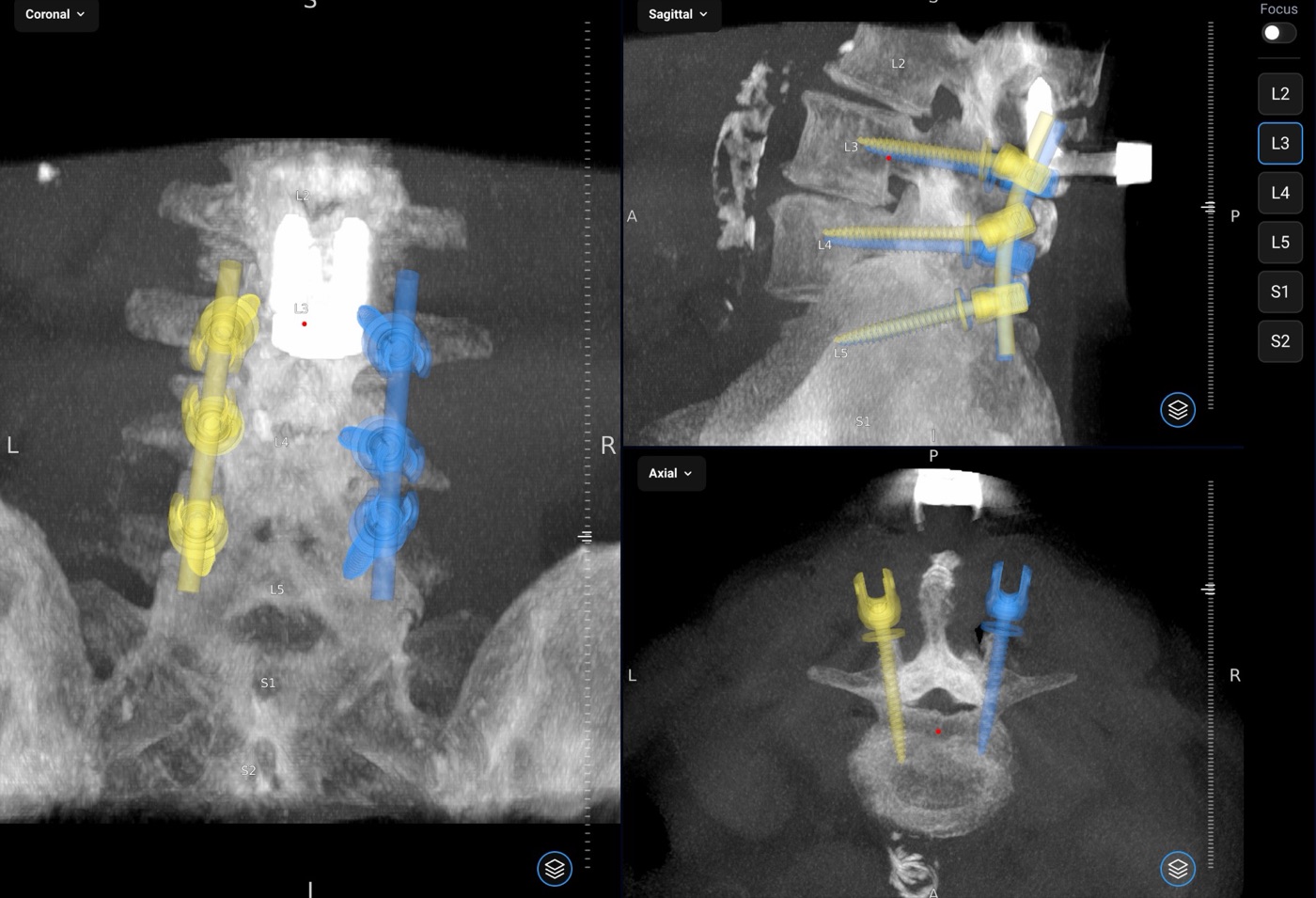
Image-guided or navigated spine surgery uses real-time 3D imaging to act like a GPS for the spine. Dr. Hobbs uses the Medtronic StealthStation navigation system together with the O-arm imaging system, which creates a 3D model of the patient's anatomy during surgery and tracks the position of surgical instruments against that model in real time, allowing for exceptional accuracy through small, tissue-sparing approaches.
Robotics and navigation are tools that support accuracy and safety. By planning implant placement in advance and guiding it in real time, these technologies can improve the precision of screw and implant placement, support smaller and more tissue-sparing incisions, and allow the surgeon to confirm accurate placement with intraoperative imaging before closing. Every surgery carries some risk, and Dr. Hobbs discusses the risks and benefits with each patient.
No. The robot does not perform the surgery on its own. Dr. Hobbs performs the operation; the Mazor robotic guidance system provides a stable, pre-planned trajectory that helps him execute the surgical plan accurately. The surgeon directs and controls every step of the procedure.
AiBLE is Medtronic's connected ecosystem that links each stage of spine care: AI-driven preoperative planning and full-body imaging, intraoperative robotics, navigation, patient-specific rods and imaging, and postoperative data and patient-reported outcomes. Connecting these stages helps ensure the surgical plan carries through accurately from the clinic into the operating room and is verified afterward.
Yes. Jonathan G. Hobbs, M.D. is extensively trained in Medtronic StealthStation navigation and the Mazor robotic guidance system and uses them routinely, along with O-arm imaging, to plan and execute procedures with exceptional accuracy. He practices at Lakeshore Bone & Joint Institute, with offices in Crown Point, Chesterton, and Portage, Indiana.

Experience Precision Spine Surgery

If you're considering spine surgery, ask Dr. Hobbs how robotics, navigation, and intraoperative imaging can make your procedure more precise. Call today to schedule a consultation.

(219) 250-5010

Monday – Friday · 8:00 AM – 5:00 PM

Crown Point Office

500 E. 109th Avenue
Crown Point, IN 46307

Chesterton Office

601 Gateway Boulevard
Chesterton, IN 46304