Home / Procedures / Outpatient Spine Surgery
Spine Procedure

Outpatient Spine Surgery

Same-day spine surgery at an ambulatory surgery center — go home hours after your procedure with less pain, lower infection risk, and a faster recovery. Dr. Hobbs is a specialty-trained in outpatient minimally invasive spine surgery in Northwest Indiana.

Call (219) 250-5010
Medically reviewed by Jonathan G. Hobbs, M.D. · Updated June 2026

What Is Outpatient Spine Surgery?

Outpatient spine surgery refers to spine procedures performed at an ambulatory surgery center (ASC) rather than in a hospital, allowing patients to go home the same day as their operation. Instead of spending one or more nights in a hospital room, patients arrive the morning of surgery and are discharged just a few hours after the procedure is complete.

Advances in minimally invasive surgical techniques, anesthesia, and pain management have made it possible to safely perform many spine surgeries in an outpatient setting. The surgical procedures themselves are identical to those performed in a hospital — the difference is the streamlined, patient-centered environment of the surgery center and the ability to recover at home in familiar surroundings.

Dr. Hobbs performs outpatient spine surgery at Lakeshore Surgicare and Franciscan Lakeshore ASC, both state-of-the-art ambulatory surgery centers equipped with the latest technology for minimally invasive spine procedures.
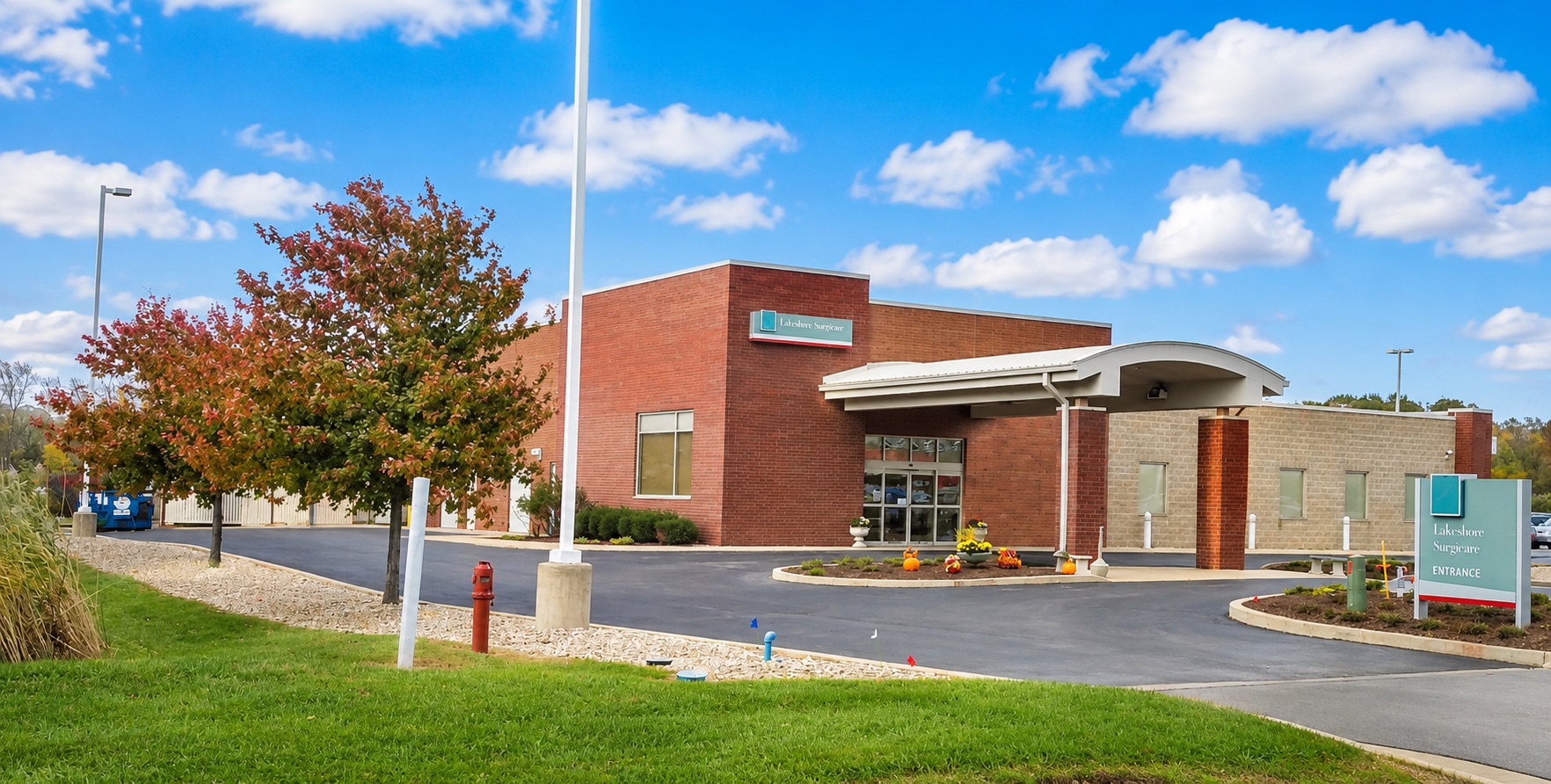

Lakeshore Surgicare, the ambulatory surgery center in Northwest Indiana where Dr. Hobbs performs outpatient spine surgery
Our Surgery Center

Where Your Surgery Happens: Lakeshore Surgicare

Dr. Hobbs performs many of his outpatient and same-day spine procedures at Lakeshore Surgicare, a modern ambulatory surgery center built specifically for efficient, patient-focused outpatient care. Instead of a busy hospital, you arrive in the morning, have your procedure in a calm, dedicated setting, and recover at home the same day.

  • Purpose-built for outpatient, minimally invasive spine surgery
  • A calmer, more personal experience than a hospital
  • Often lower cost than the same procedure in a hospital
  • Home the same day, recovering in familiar surroundings

Benefits of Outpatient Spine Surgery

Outpatient spine surgery offers significant advantages over traditional hospital-based procedures for appropriately selected patients.

Recover at Home
Heal in the comfort of your own home surrounded by family, rather than in an unfamiliar hospital room
Lower Infection Risk
Ambulatory surgery centers have lower infection rates than hospitals due to fewer critically ill patients and streamlined protocols
Lower Cost
Outpatient procedures typically cost significantly less than hospital-based surgery, reducing out-of-pocket expenses
Less Surgical Pain
Minimally invasive techniques combined with advanced pain management protocols result in less post-operative discomfort
Faster Recovery
Patients return to daily activities and work sooner compared to traditional hospital-based spine surgery
Better Patient Experience
A more personalized, efficient process from arrival to discharge with less waiting and more one-on-one attention

Dr. Hobbs advocates for outpatient spine surgery since this leads to less surgical pain, faster recovery and a better patient experience.

Which Procedures Can Be Done Outpatient?

Dr. Hobbs performs a wide range of spine procedures on an outpatient basis. Advances in minimally invasive techniques and surgical navigation have expanded the types of surgeries that can be safely done in an ambulatory surgery center.

Revision Spine Surgery
Targeted revision of failed or painful prior fusions, performed with image-guided navigation when appropriate.
Microdiscectomy
Removal of the herniated portion of a disc that is compressing a spinal nerve. Performed through a small incision using a surgical microscope or navigation.
Laminectomy
Removal of a portion of the vertebral bone (lamina) to relieve pressure on the spinal cord or nerves caused by spinal stenosis.
Foraminotomy
Enlargement of the bony opening (foramen) where a spinal nerve exits the spine, relieving nerve compression and radiating pain.
Endoscopic Decompression
Ultra-minimally invasive decompression of nerves using a small endoscope through an incision smaller than a centimeter, causing minimal tissue disruption.
Select Spinal Fusions
Certain minimally invasive spinal fusion procedures can be performed on an outpatient basis for carefully selected patients, depending on the number of levels and patient health.

Am I a Candidate for Outpatient Spine Surgery?

Most patients who require spine surgery are candidates for an outpatient procedure. Dr. Hobbs performs a thorough evaluation to determine whether outpatient surgery is the right choice for you based on several factors.

General health: Patients should be in reasonably good overall health. Conditions such as diabetes, high blood pressure, and heart disease do not automatically disqualify you, provided they are well controlled and stable.

Body mass index (BMI): While there is no strict cutoff, patients within a healthy weight range tend to have the best outcomes and are the most straightforward candidates for outpatient surgery.

Procedure complexity: The type and extent of the surgery play a role. Single-level procedures are most commonly performed outpatient, though select multi-level procedures may also qualify.

Support at home: You must have a responsible adult available to drive you home after surgery and stay with you for the first 24 hours. A safe, comfortable home environment supports a smooth recovery.

Patient preference: Dr. Hobbs discusses all options with you and respects your comfort level. If you prefer the security of an overnight hospital stay, that option remains available.

What to Expect on the Day of Surgery

1
Arrival and Check-In

You will arrive at the ambulatory surgery center early in the morning. The surgical team will review your medical history, answer any last-minute questions, and prepare you for the procedure. An anesthesiologist will discuss your anesthesia plan.

2
The Procedure

Dr. Hobbs performs your surgery using minimally invasive techniques and advanced minimally invasive techniques for maximum precision. Most outpatient spine procedures take between 45 minutes and 2 hours depending on the type and complexity of the surgery.

3
Recovery Room

After surgery, you will be monitored in the recovery area as the anesthesia wears off. The nursing staff will manage your pain and ensure you are comfortable. Dr. Hobbs will speak with your family about how the procedure went.

4
Discharge and Going Home

Once you are alert, comfortable, and able to walk, you will be discharged — typically within 1 to 3 hours after surgery. You will receive detailed instructions for pain management, wound care, activity restrictions, and follow-up appointments. A responsible adult must drive you home.

Recovery at Home

Recovering at home after outpatient spine surgery is one of the greatest advantages of the approach. Being in your own environment with familiar surroundings promotes healing and reduces stress.

The first week: Rest is important, but gentle walking is encouraged starting the day of surgery. Short, frequent walks help improve circulation and prevent stiffness. Avoid bending, lifting, and twisting. Most patients notice significant improvement in their nerve-related symptoms (such as leg or arm pain) right away, though some surgical soreness at the incision site is normal.

Pain management: Dr. Hobbs provides a detailed pain management plan that may include a combination of prescription medications, anti-inflammatories, ice therapy, and gradual reduction of medications as you heal. The goal is to keep you comfortable while minimizing the use of narcotic pain medications.

Activity progression: Over the following weeks, you will gradually increase your activity level according to Dr. Hobbs's guidelines. Light daily activities can typically be resumed within the first 1-2 weeks. Driving is usually permitted once you are off narcotic medications and can turn comfortably. Return to work depends on the nature of your job and the specific procedure performed.

Follow-up appointments: Dr. Hobbs will see you for follow-up visits to check your incision, review your progress, and adjust your activity plan. Physical therapy may be recommended to strengthen the muscles supporting your spine and optimize your long-term outcome.

Why Choose Dr. Hobbs for Outpatient Spine Surgery

Outpatient Spine Surgery
Dr. Hobbs is a recognized leader in outpatient spine surgery and has published the article "Why Outpatient Spine Is Surgery's Hottest Specialty"
Tumor & Deformity Expertise
Specialty-trained in minimally invasive spine surgery (MISS)
Specialty-Trained Neurosurgeon
Board-certified neurosurgeon and spine surgeon with specialized surgical expertise
Elite Training
University of Kentucky medical degree; neurosurgery residency at the University of Chicago, serving as chief resident
Top Surgery Centers
Affiliated with Lakeshore Surgicare and Franciscan Lakeshore ASC — state-of-the-art ambulatory surgery centers
Lakeshore Bone & Joint Institute
Northwest Indiana's most preferred orthopedic practice

Frequently Asked Questions About Outpatient Spine Surgery

Yes. Outpatient spine surgery is very safe for appropriately selected patients. Studies consistently show that outpatient spine procedures have complication rates equal to or lower than the same procedures performed in a hospital setting. Ambulatory surgery centers have lower infection rates due to fewer critically ill patients and streamlined protocols. Dr. Hobbs carefully evaluates each patient to ensure they are a good candidate for outpatient surgery.
Most patients in reasonably good general health are candidates for outpatient spine surgery. Dr. Hobbs evaluates factors including your overall health, body mass index, the complexity of the procedure, and whether you have a responsible adult to drive you home and stay with you the first night. Patients with well-controlled chronic conditions such as diabetes or high blood pressure can often still qualify. A thorough pre-operative evaluation determines your eligibility.
Recovery varies depending on the specific procedure performed. For minimally invasive procedures like microdiscectomy, most patients return to light activities within 1-2 weeks and resume normal activities within 4-6 weeks. More involved procedures such as fusion or revision surgery may require 6-12 weeks for full recovery. Dr. Hobbs provides a detailed recovery timeline specific to your procedure and monitors your progress at follow-up appointments.
The surgical procedure itself is the same whether performed in a hospital or an ambulatory surgery center. The key difference is the setting and recovery. In an outpatient setting, you arrive the morning of surgery and go home the same day, typically within a few hours after the procedure. This eliminates the need for an overnight hospital stay, reduces exposure to hospital-acquired infections, and allows you to recover in the comfort of your own home. Outpatient surgery centers also tend to have lower costs than hospitals.
Ambulatory surgery centers are fully equipped to handle complications, with trained surgical teams, anesthesiologists, and emergency protocols in place. In the rare event that a patient requires overnight observation, transfer arrangements with nearby hospitals are established in advance. Dr. Hobbs's careful patient selection process significantly minimizes the risk of complications.
Most major insurance plans cover outpatient spine surgery. In many cases, outpatient procedures cost significantly less than the same surgery performed in a hospital, resulting in lower out-of-pocket expenses for patients. Dr. Hobbs's office staff can help verify your insurance coverage and explain your financial responsibility before scheduling surgery.

Schedule Your Outpatient Spine Surgery Consultation

Find out if outpatient spine surgery is right for you. Dr. Hobbs will evaluate your condition and discuss whether a same-day procedure can get you back to your life faster with less pain. Call today to schedule your consultation.

(219) 250-5010

Monday – Friday · 8:00 AM – 5:00 PM

Crown Point Office

500 E. 109th Avenue
Crown Point, IN 46307

Chesterton Office

601 Gateway Boulevard
Chesterton, IN 46304