Comprehensive treatment for spinal stenosis in the neck and lower back. Dr. Hobbs offers conservative care and minimally invasive surgical decompression to relieve nerve pressure and restore your mobility.
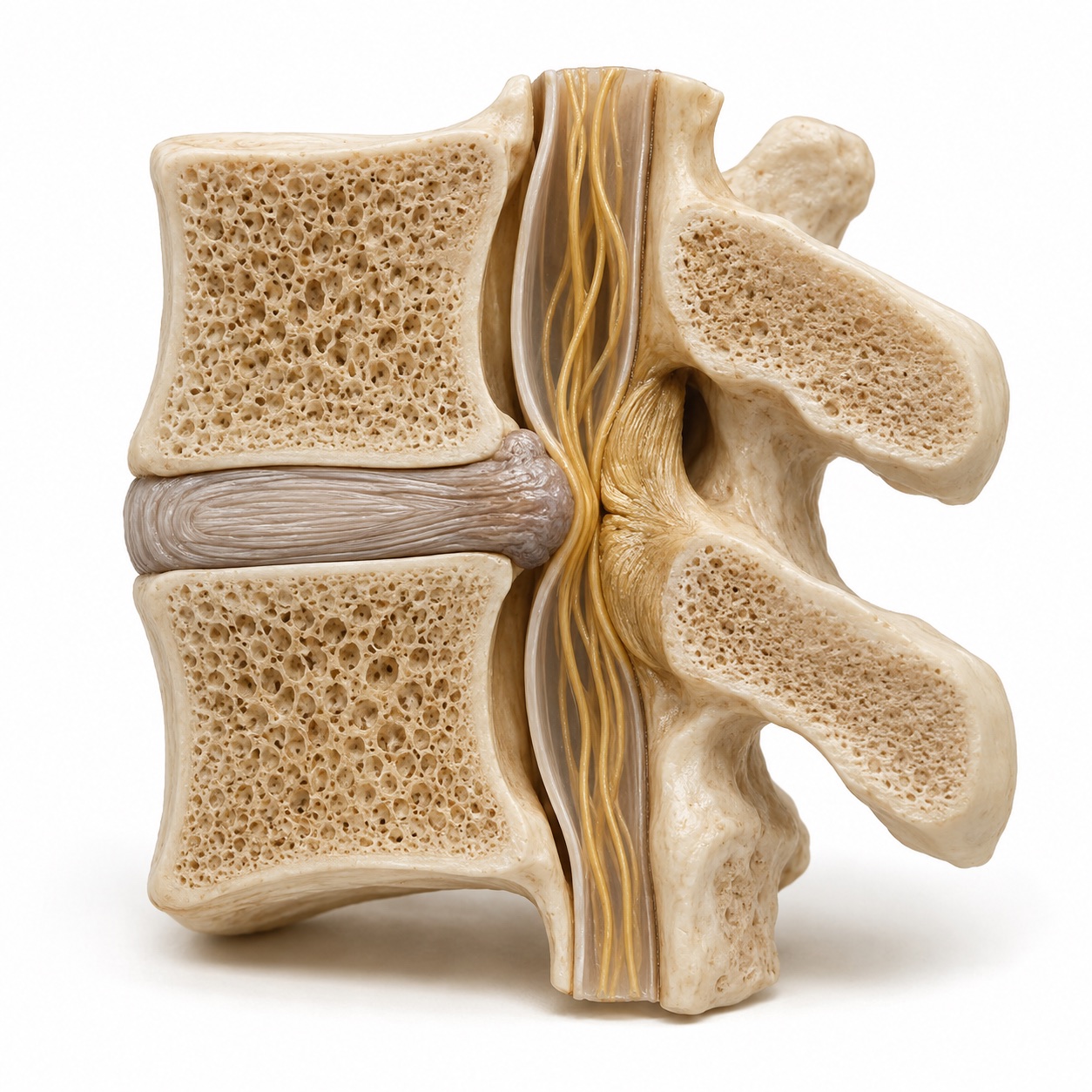
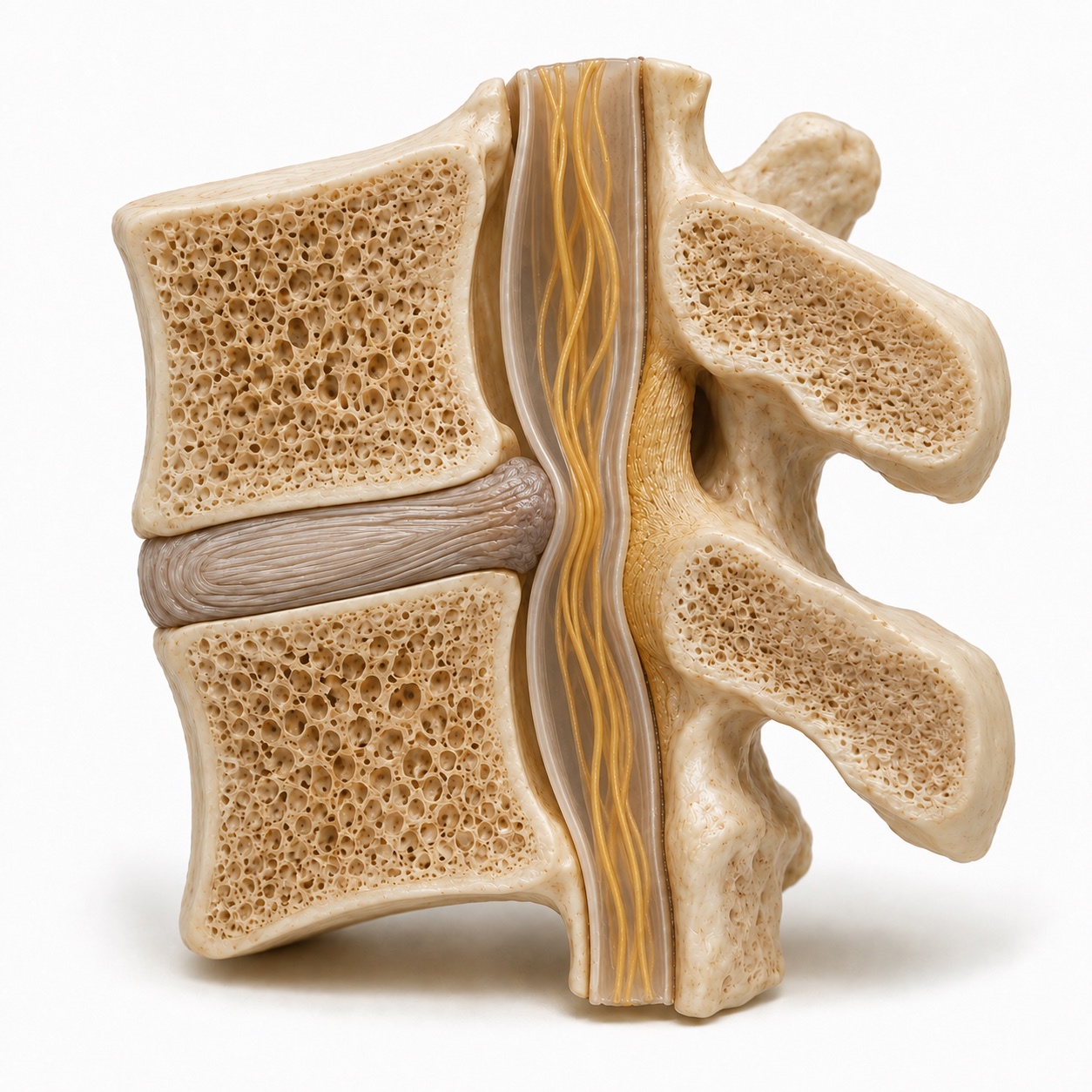
Call (219) 250-5010Spinal stenosis is a condition in which the spaces within the spine narrow, putting pressure on the spinal cord and the nerves that travel through the spine. This narrowing most commonly occurs in the lumbar spine (lower back) and the cervical spine (neck).
The narrowing is usually caused by age-related changes in the spine, including thickening of ligaments, bone spur formation, bulging discs, and arthritis of the facet joints. These changes gradually reduce the space available for the spinal cord and nerves, leading to compression and symptoms.
Spinal stenosis develops slowly over time and most commonly affects adults over age 50. While some people with spinal stenosis have no symptoms, others experience significant pain, numbness, muscle weakness, and difficulty walking that can severely impact quality of life.

The hallmark symptom of lumbar stenosis is neurogenic claudication — leg pain and heaviness that worsens with walking or standing and improves with sitting or bending forward. Many patients notice they can walk farther when leaning on a shopping cart because the forward-leaning position opens the spinal canal and reduces nerve pressure.
Spinal stenosis is most commonly caused by age-related degenerative changes in the spine. As we age, the structures of the spine gradually change, potentially narrowing the space available for the spinal cord and nerves.
Dr. Hobbs performs a comprehensive evaluation to accurately diagnose spinal stenosis and determine the severity of nerve compression.
Physical examination: Assessing your gait, balance, reflexes, muscle strength, and sensation. Dr. Hobbs will observe whether your symptoms change with standing, walking, or bending forward.
Medical history: Discussing the nature and duration of your symptoms, what activities make them better or worse, and how they affect your daily life.
Imaging studies: MRI is the primary imaging tool, providing detailed views of the spinal canal, nerve compression, and surrounding soft tissues. X-rays may be used to evaluate bone spurs, alignment, and stability. CT scans can provide additional detail about bony anatomy when surgical planning is needed.
Dr. Hobbs believes nonsurgical treatments should always be explored first. Many patients with spinal stenosis can manage their symptoms effectively without surgery.
When conservative treatment is insufficient, Dr. Hobbs offers minimally invasive surgical options:
Don't let spinal stenosis limit your mobility. Dr. Hobbs offers the latest minimally invasive treatments to relieve nerve pressure and get you walking comfortably again.
(219) 250-5010Monday – Friday · 8:00 AM – 5:00 PM
500 E. 109th Avenue
Crown Point, IN 46307
601 Gateway Boulevard
Chesterton, IN 46304