Expert diagnosis and treatment for herniated discs in the neck and lower back. Dr. Hobbs offers both conservative care and minimally invasive surgical options to relieve your pain and restore your quality of life.
Call (219) 250-5010A herniated disc occurs when the soft, gel-like center of a spinal disc (the nucleus pulposus) pushes through a tear in the tough outer layer (the annulus fibrosus). This displaced material can press on nearby spinal nerves, causing pain, numbness, tingling, or weakness in the areas served by those nerves.
Herniated discs most commonly occur in the lumbar spine (lower back), where they often cause sciatica — radiating pain down the leg. They can also occur in the cervical spine (neck), causing pain that radiates into the shoulder, arm, and hand. Less commonly, herniated discs occur in the thoracic spine (mid-back).
A herniated disc is sometimes called a slipped disc, ruptured disc, or prolapsed disc. While the terminology varies, the underlying problem is the same: disc material has moved out of its normal position and is irritating or compressing a spinal nerve.
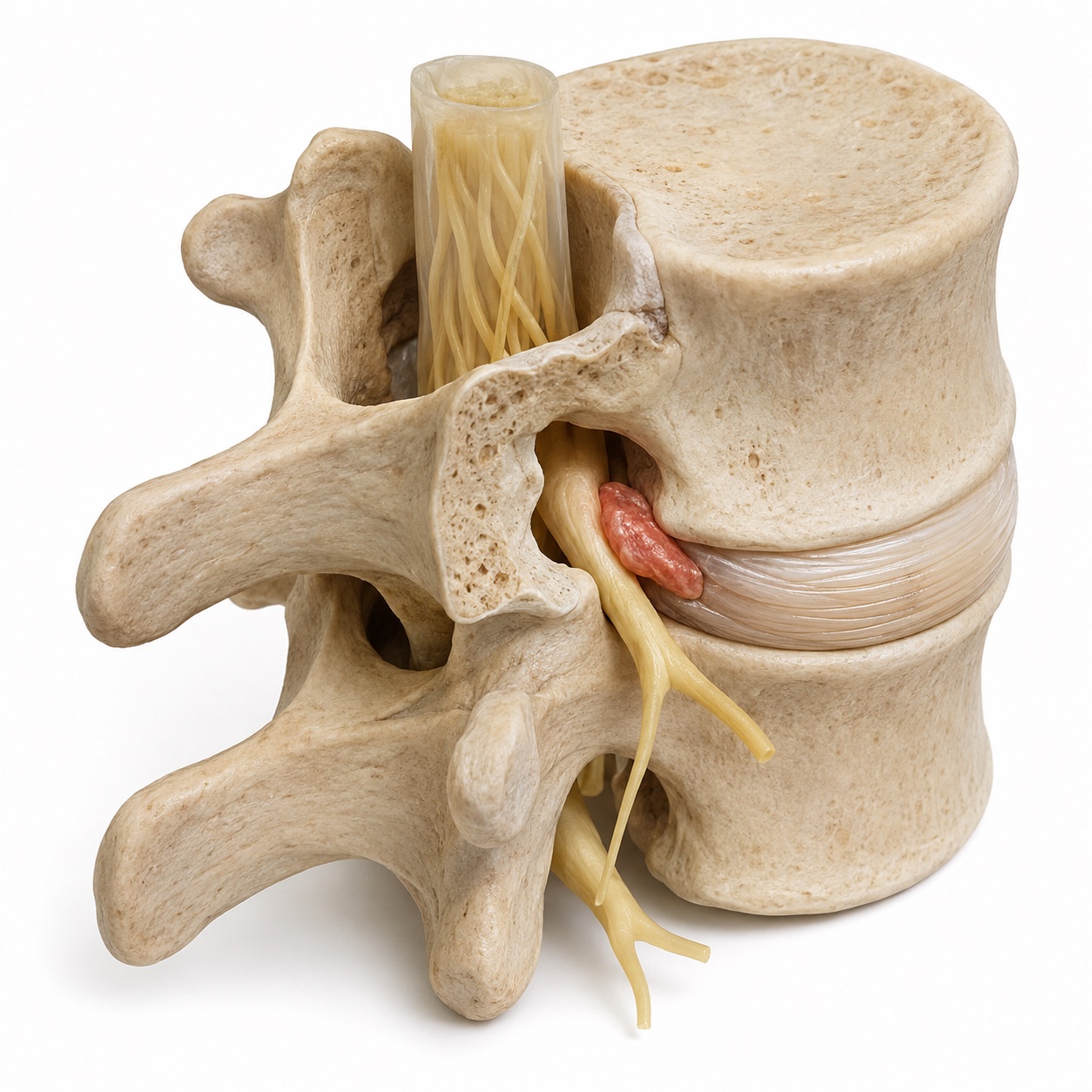
Symptoms depend on where the herniation occurs and whether it is pressing on a nerve. Some herniated discs cause no symptoms at all.
If you experience sudden loss of bladder or bowel control, progressive weakness in both legs, or numbness in the groin/inner thigh area (saddle anesthesia), seek emergency medical attention immediately. These may be signs of cauda equina syndrome, a rare but serious condition that requires urgent surgery.
Herniated discs most often result from gradual, age-related disc degeneration (disc wear and tear). As you age, your spinal discs lose water content and become less flexible, making them more prone to tearing or rupturing even with a minor twist or strain.
Factors that increase your risk of a herniated disc include:
Dr. Hobbs begins with a thorough evaluation to accurately identify the source of your pain and develop an individualized treatment plan.
Physical examination: Testing your reflexes, muscle strength, walking ability, and sensation. Specific tests such as the straight leg raise can help confirm nerve compression from a herniated disc.
Medical history: Understanding when your pain began, what activities make it better or worse, and whether you have experienced any numbness, tingling, or weakness.
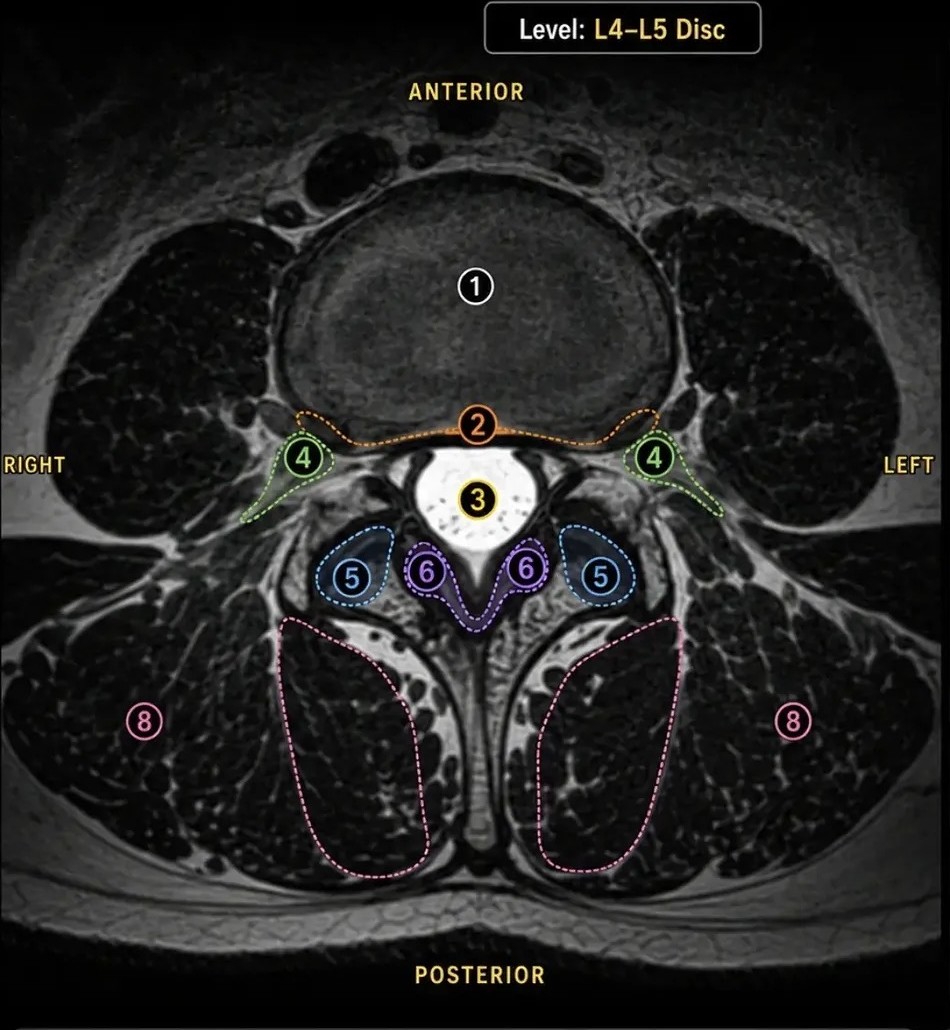
Imaging studies: MRI is the gold standard for visualizing herniated discs and the degree of nerve compression. X-rays may be ordered to rule out other causes of pain such as fractures or instability. In some cases, a CT scan or nerve conduction studies may be used to provide additional diagnostic information.
Dr. Hobbs strongly believes that nonsurgical solutions should be explored first before recommending surgery. The majority of herniated discs improve with conservative treatment. Surgery is reserved for cases where conservative care has not provided adequate relief or when neurological symptoms are progressing.
When surgery is necessary, Dr. Hobbs uses the latest minimally invasive techniques for faster recovery and less pain:
Don't let a herniated disc keep you from living your life. Dr. Hobbs offers the latest minimally invasive treatments with proven results. Call today to schedule your consultation.
(219) 250-5010Monday – Friday · 8:00 AM – 5:00 PM
500 E. 109th Avenue
Crown Point, IN 46307
601 Gateway Boulevard
Chesterton, IN 46304